
Beyond the Tag: Why Vintage Pieces Hold Value
Quick answer
Vintage fashion can hold greater value through stronger construction, finite supply and a resale record that new fast-fashion garments rarely develop. For Cairo buyers, Sold Attire assesses each vintage piece in Egypt by material, condition, provenance and current demand rather than age alone. A well-chosen Chanel, Louis Vuitton or Burberry piece can be worn for years and later resold, while mass-produced clothing usually loses most of its value after purchase.
By Yahya - Founder & Lead Authenticator, Sold Attire · Updated July 2026
The price tag is not the point. The value underneath it is.
In this guide
There is a moment every serious buyer reaches when the logic flips. The new bag seems expensive. The vintage piece, older, rarer, authenticated, documented, seems expensive too. But one of them will be worth more in five years. The other will be worth nothing, or less than nothing, having been replaced by three successive versions of itself. Understanding why that gap exists is understanding what vintage fashion is, and why it belongs in every wardrobe that takes quality seriously.
Why do vintage pieces outlast modern fashion in quality?
The most direct answer is that the economics of making clothes changed. Decades ago, the cost of a garment was dominated by labour and material, both of which imposed quality floors. Skilled seamstresses charged for their time. Good fabric cost what good fabric costs. Shortcuts were not profitable in the same way they became once global manufacturing scaled. The result is that vintage pieces, particularly those made before the 1990s expansion of fast fashion, carry construction standards that current production at equivalent price points cannot match. Seams are finished. Lining is cut properly. Hardware on bags is solid, not coated. Leather is full-grain rather than bonded. These are not nostalgic details. They are functional differences that determine how long a piece lasts and how it ages.
At Sold Attire, every piece that arrives is examined against these standards before it is listed. The condition notes are specific for a reason: a piece at 9.5/10 from 1994 holds its integrity in ways a new piece purchased today will not match in thirty years. Explore our vintage outerwear collection to see what thirty years of correct construction looks like in practice.
What makes vintage fashion scarcer than buying new?
When you buy new, you are buying one of however many units a brand decided to produce. The scarcity, if any exists, is managed scarcity, a marketing decision, not a material fact. In a year, the same design will exist in a slightly updated form. In five years, that version will seem dated. When you buy vintage, you are buying the only one of that piece that is available, at that moment, in that condition, with that provenance. It cannot be restocked. It cannot be re-ordered. The specific iteration of a Chanel flap from 1991, with its particular leather, its specific serial range, its hardware from that production period, will never be made again. Ownership of it is, in a real sense, non-replicable.
This is especially true of pieces sourced from Japan, where preservation standards mean that the best examples of a given model or era are still in circulation and in correct condition. Sold Attire's access to Japan's Star Buyers Global Auction, the world's most rigorous authenticated luxury resale platform, exists precisely because this level of exclusivity requires a specific market to find it. Browse the Rare Gems collection for pieces where this principle is most visible.
Does vintage fashion hold better resale value than new?
Yes, at the collector tier, consistently and demonstrably. The data on this is now well-established. Hermès Birkins and Kellys have outperformed the S&P 500 over the past two decades in annualised return. Chanel classic flaps have more than doubled in price over the same period. Rolex sports references from the 1990s command multiples of their original retail. These are not anomalies. They are the predictable result of genuine scarcity meeting sustained demand. The inverse is also true. New luxury goods depreciate the moment they leave the boutique, often by 20–40%, before recovering over years if they achieve collector status. New fast fashion does not recover at all. The vintage piece that was purchased thoughtfully, authenticated correctly, and stored properly is an asset in a way that a new purchase, at almost any price point, is not.
This is the logic behind every Sold Attire authentication: the value we are protecting is not the listing price but the long-term return on a purchase made correctly.
Is vintage fashion more sustainable than buying new?
Materially, yes. Every vintage purchase is a piece that did not require new production, no new raw material, no new manufacturing energy, no new waste stream. The garment or bag already exists. Choosing it over a new equivalent removes one unit of demand from a production cycle that has significant environmental cost. But beyond the environmental argument, there is a more personal version of sustainability: longevity. A vintage piece at 9/10 condition, properly cared for, will last another twenty years without meaningful degradation. Most new clothing, at any accessible price point, will not. The most sustainable wardrobe is not one that minimises spending, it is one that maximises the useful life of every piece in it. Vintage, chosen carefully and authenticated correctly, does exactly that.
How do you style vintage pieces in 2025?
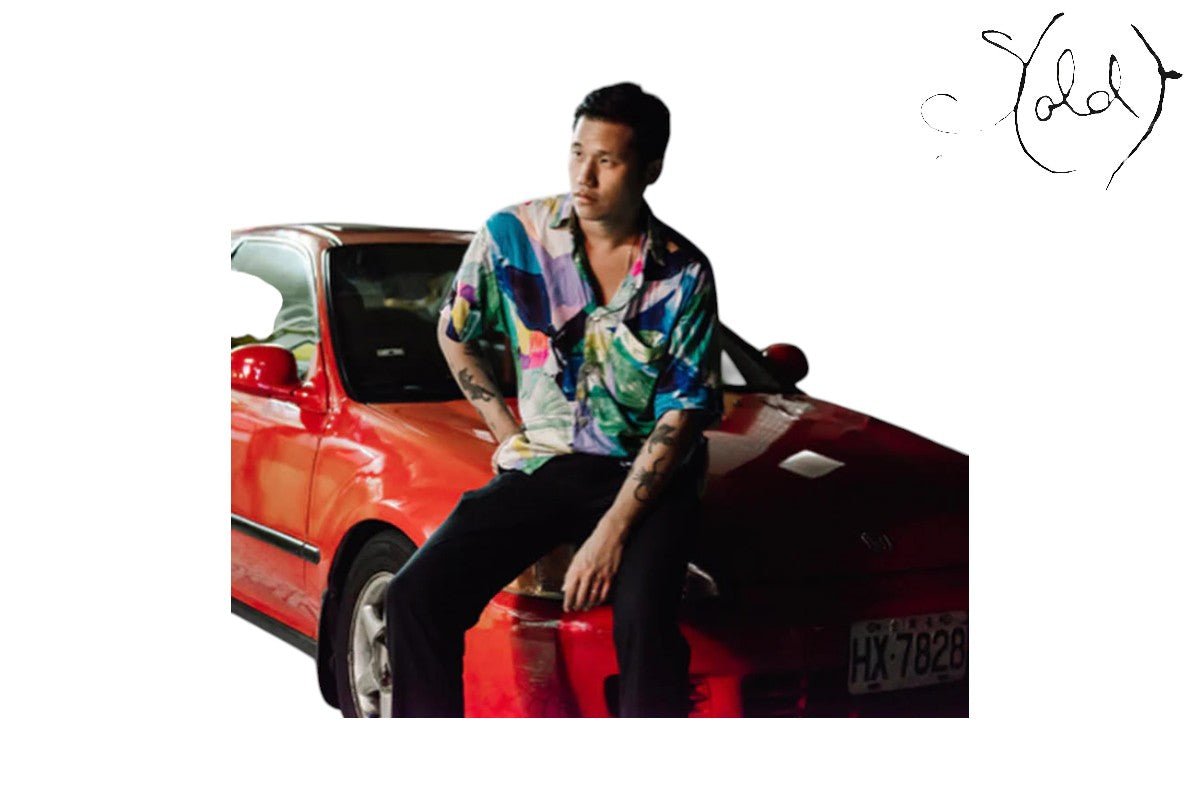
The tension between vintage and current that was once real, the worry that a piece would read as costume rather than wardrobe, has largely dissolved. The most influential dressers in contemporary fashion are wearing archive pieces as intentionally as they wear anything new. The language of "old money" aesthetic, quiet luxury, and heritage dressing has made vintage not only acceptable but actively aspirational. Cairo wardrobes work best when one archive piece carries the look and the surrounding clothes stay restrained in colour and proportion.
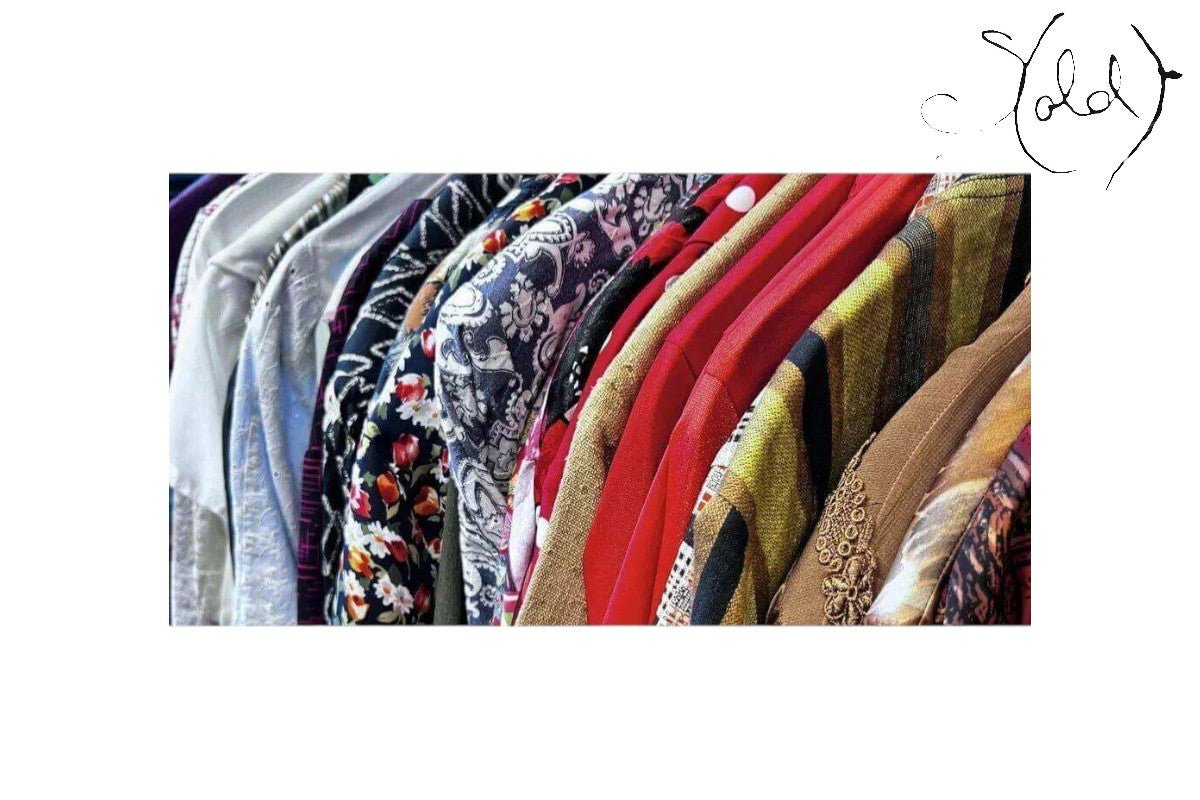
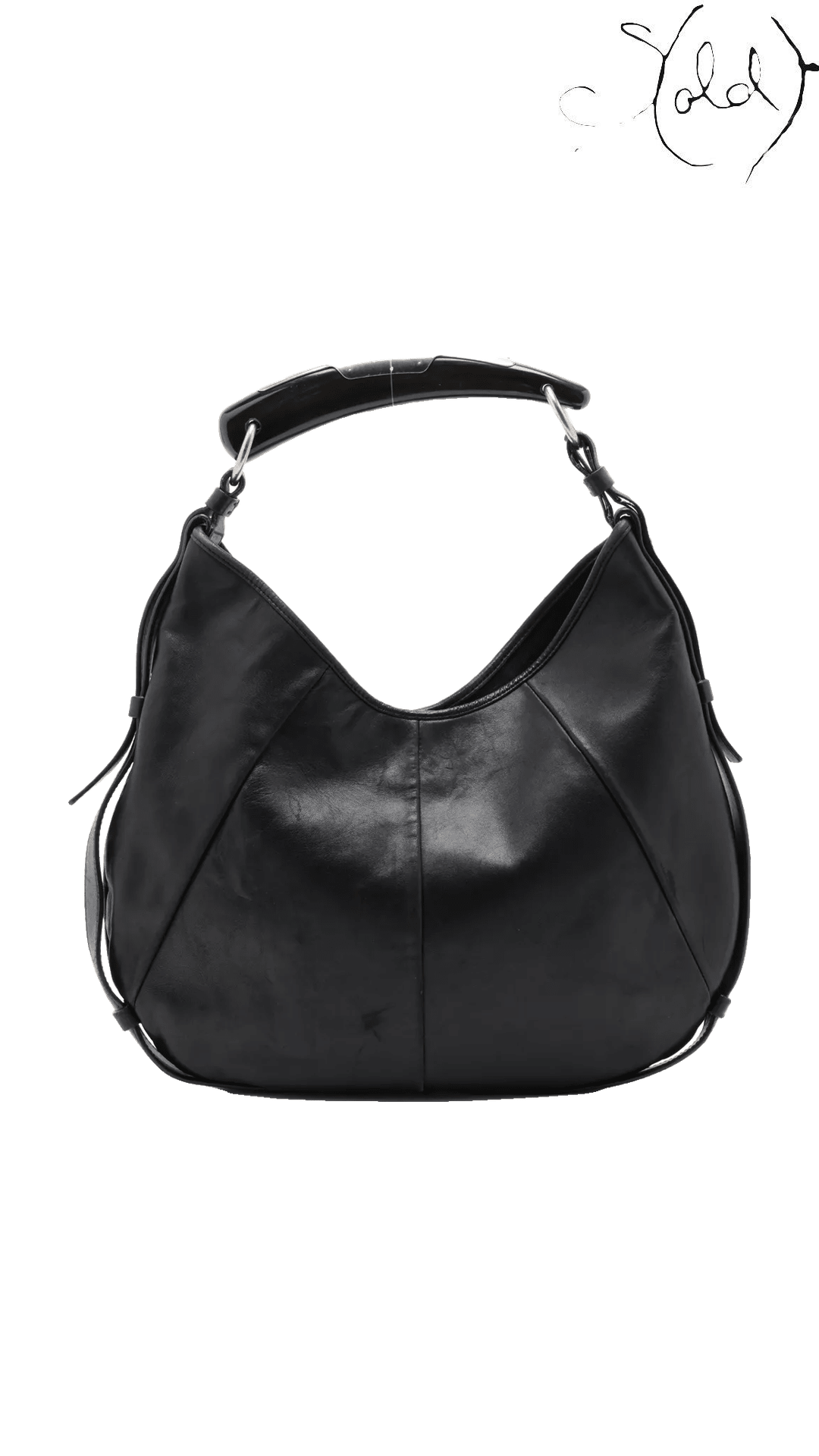
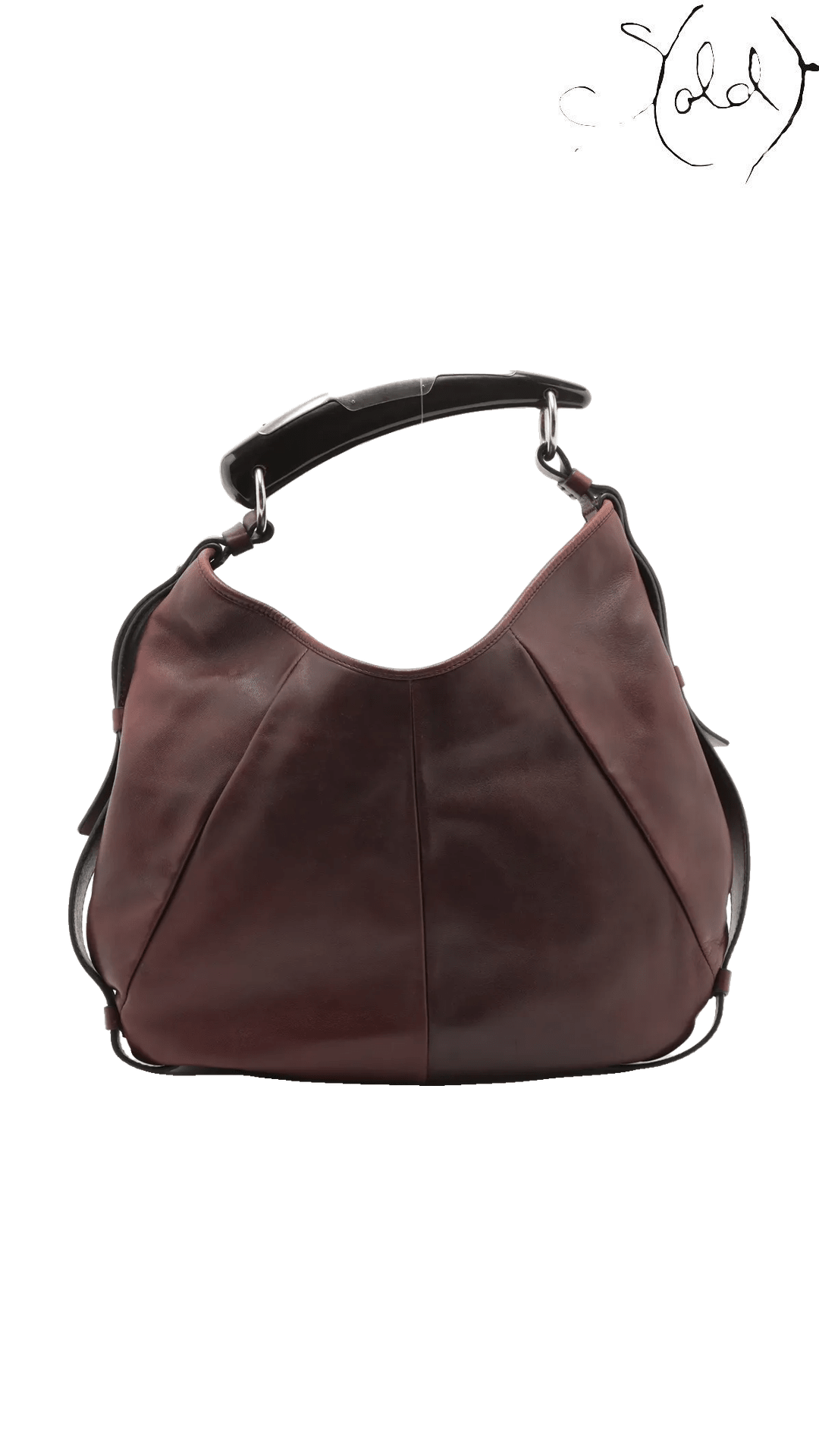
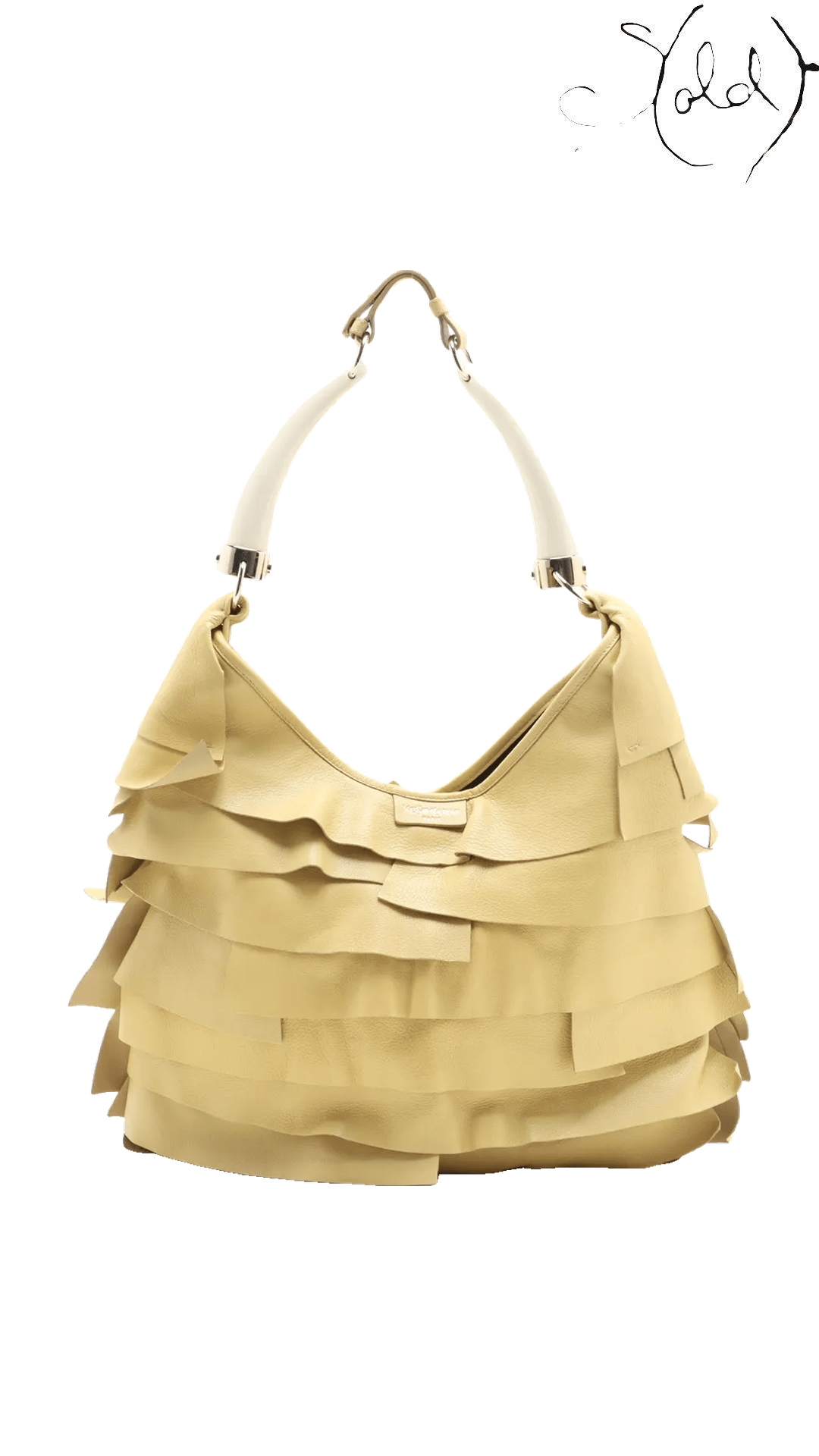
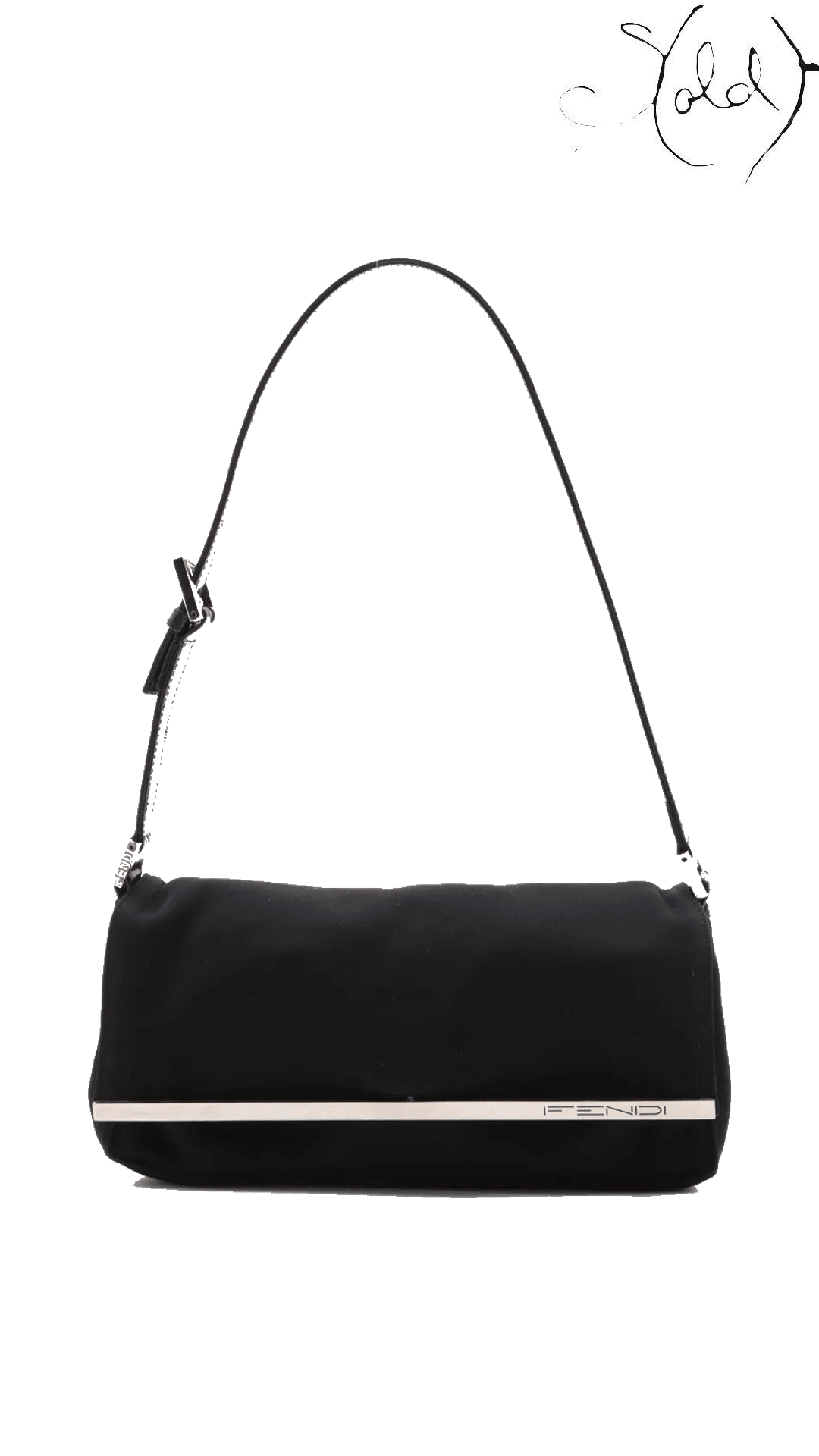
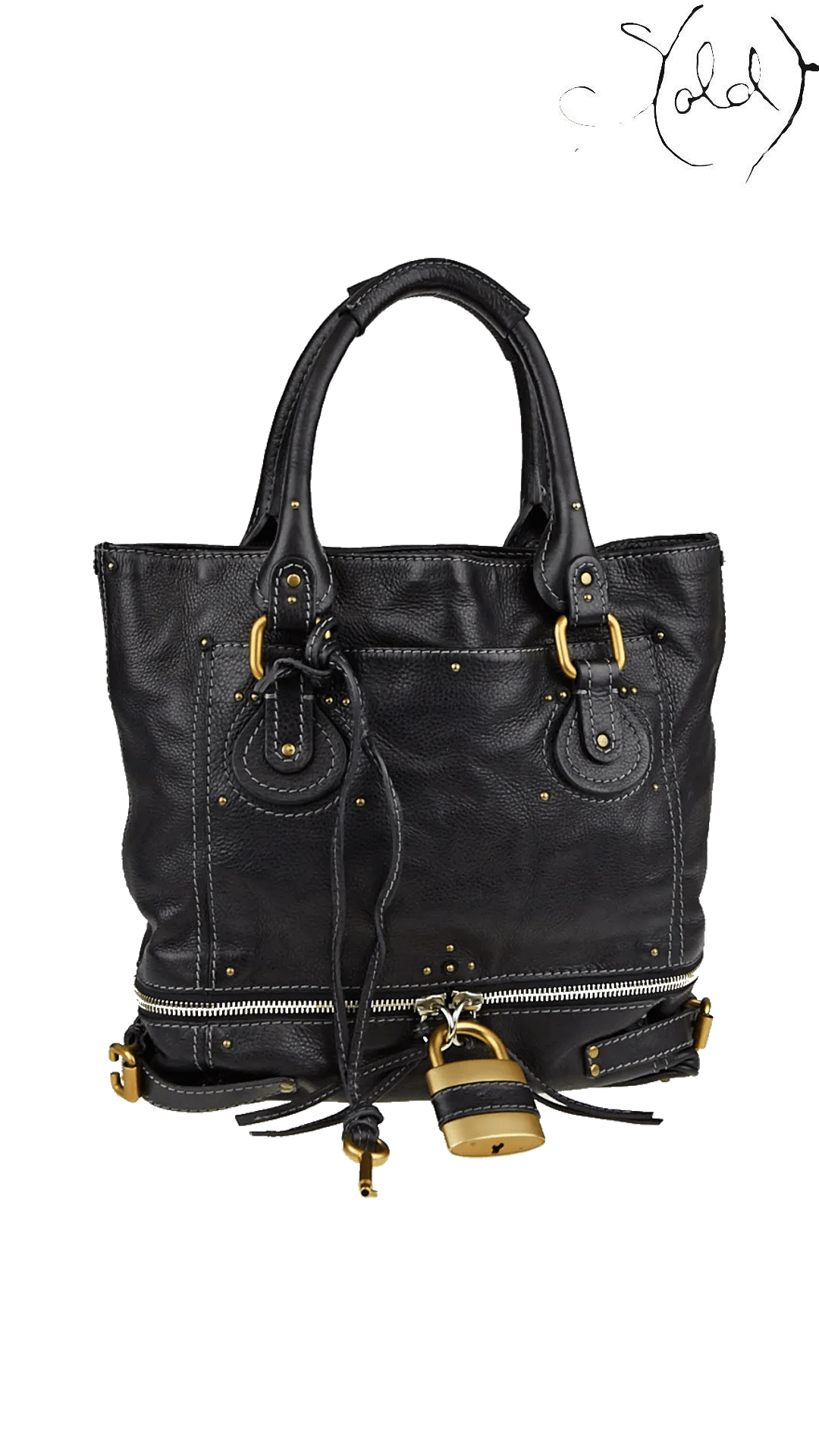
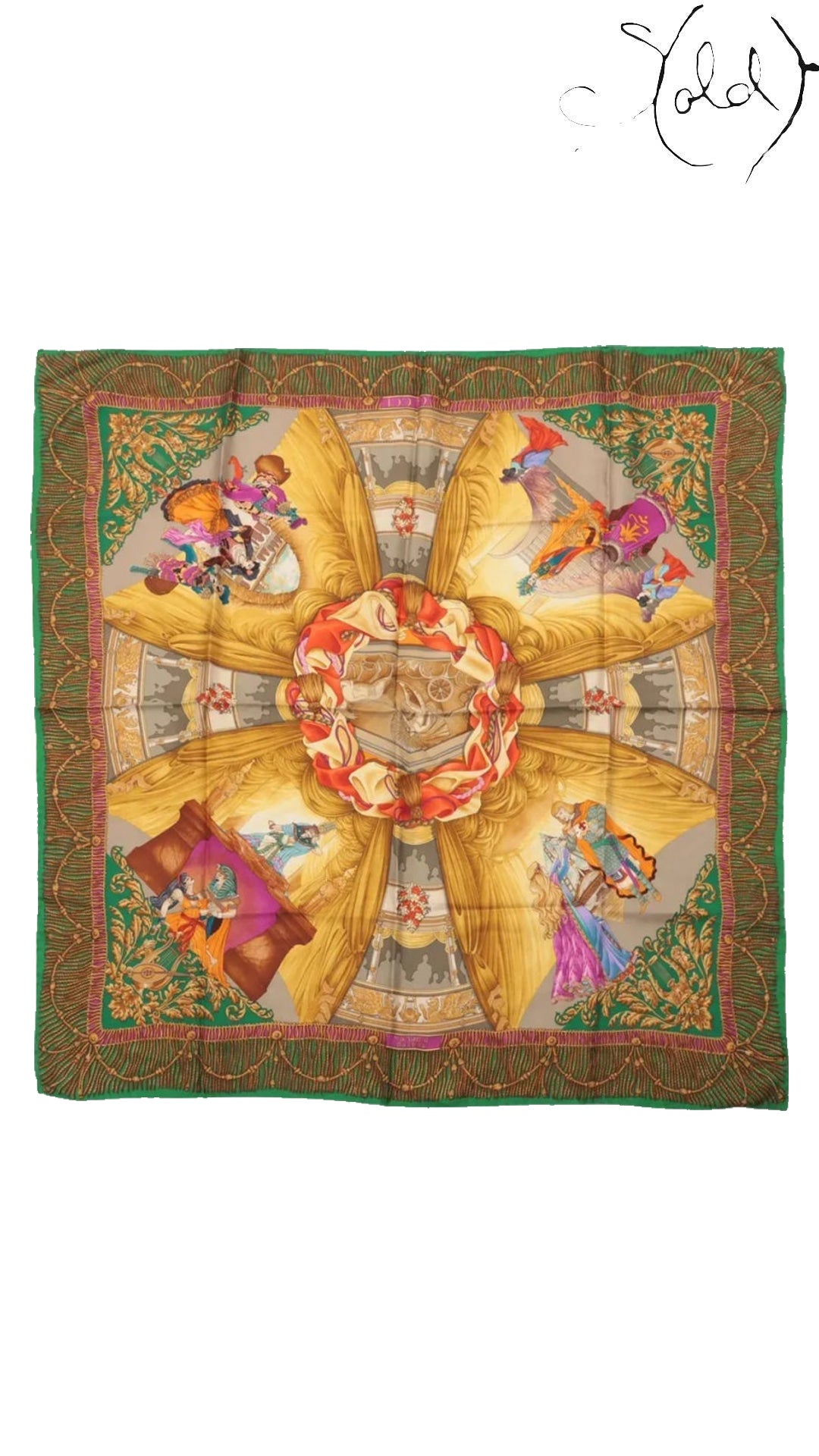
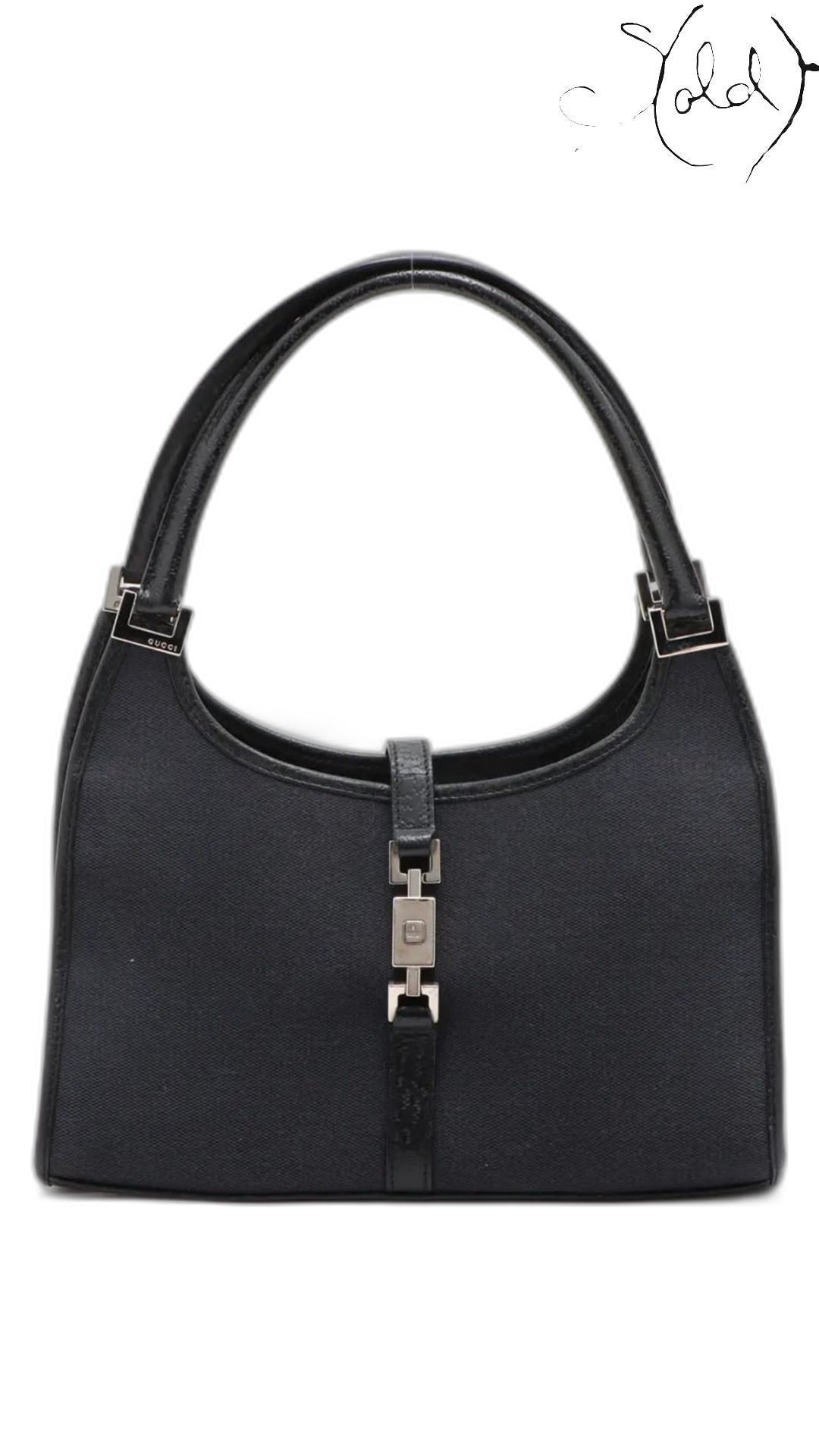
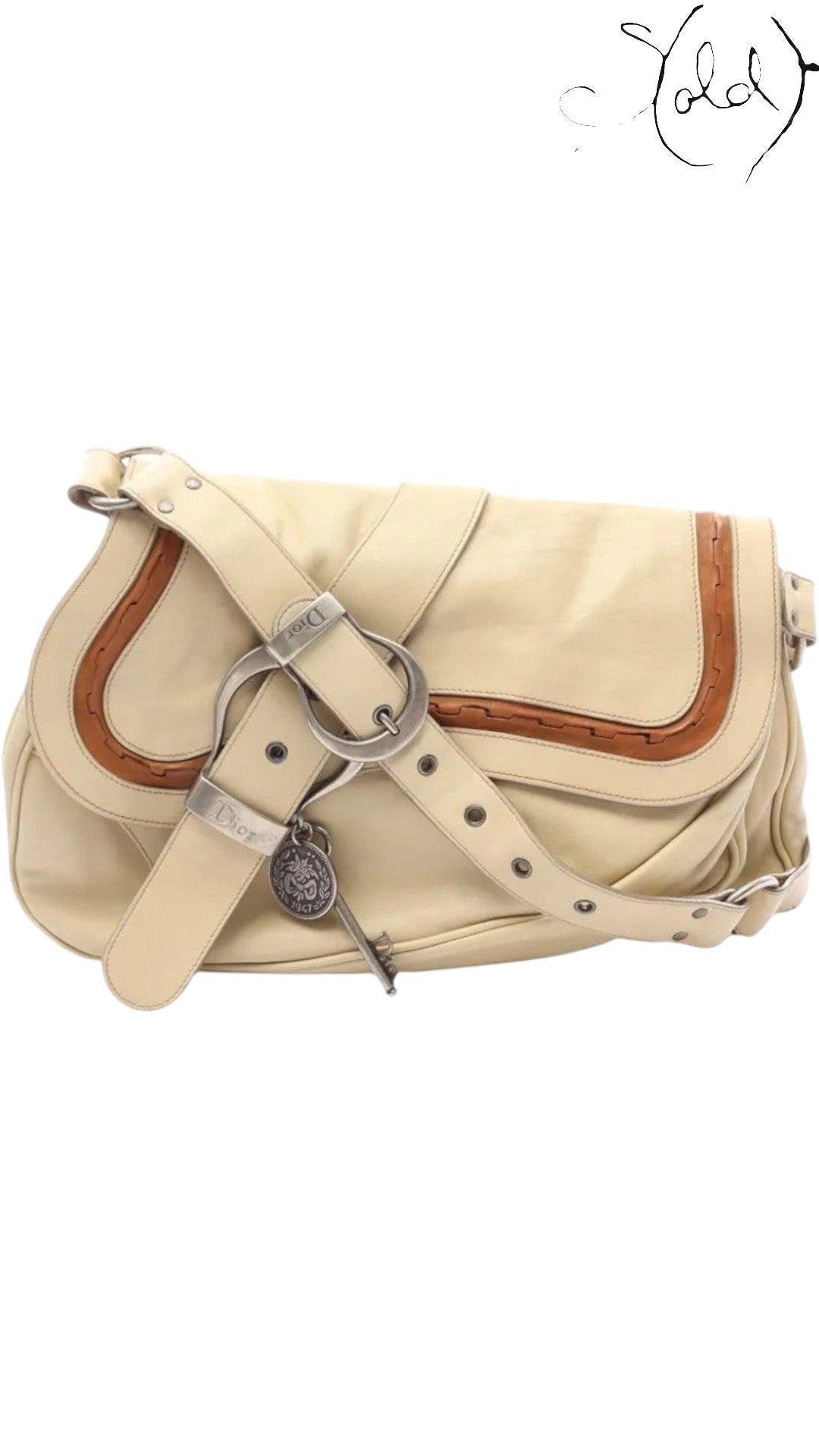
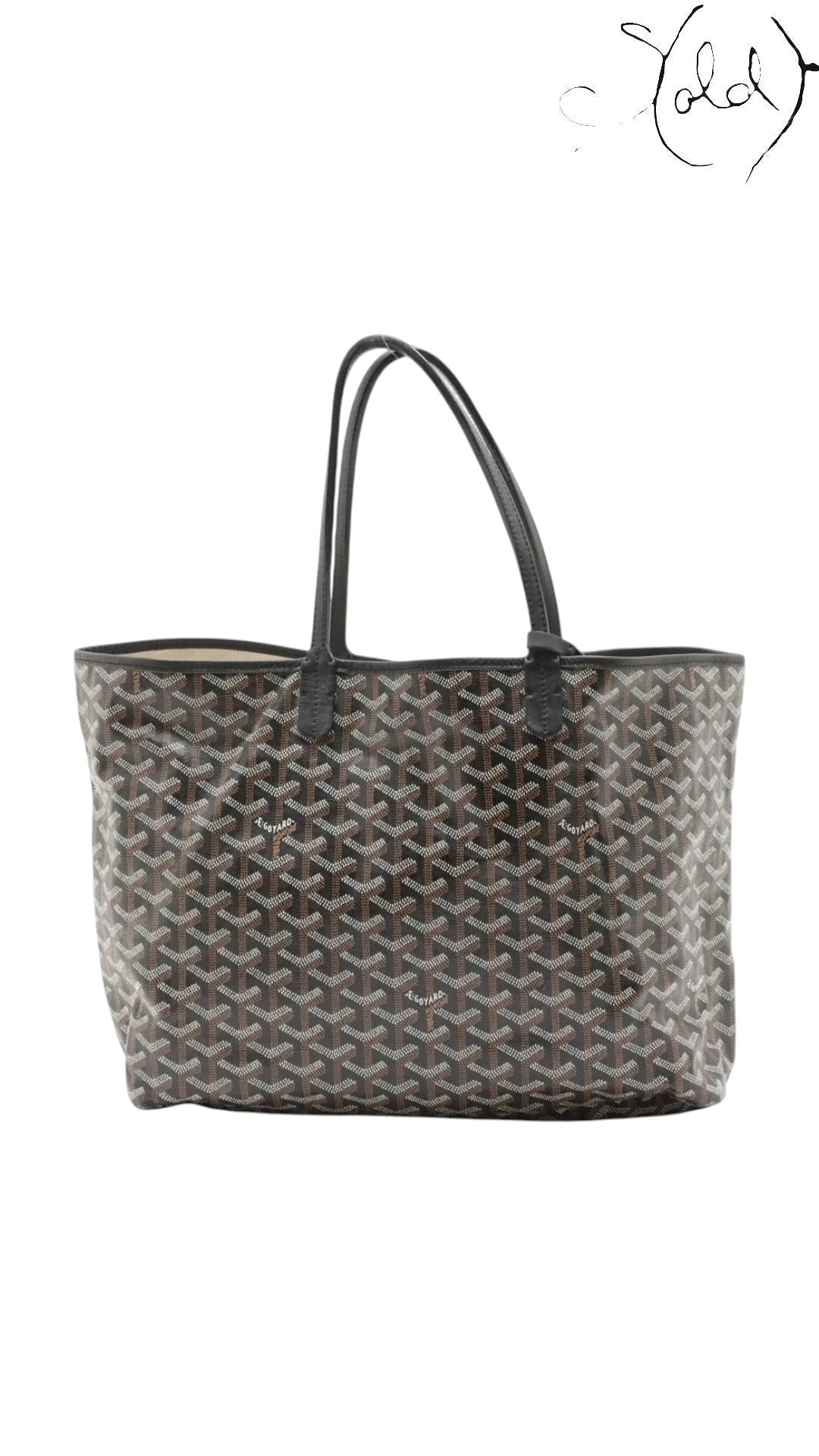
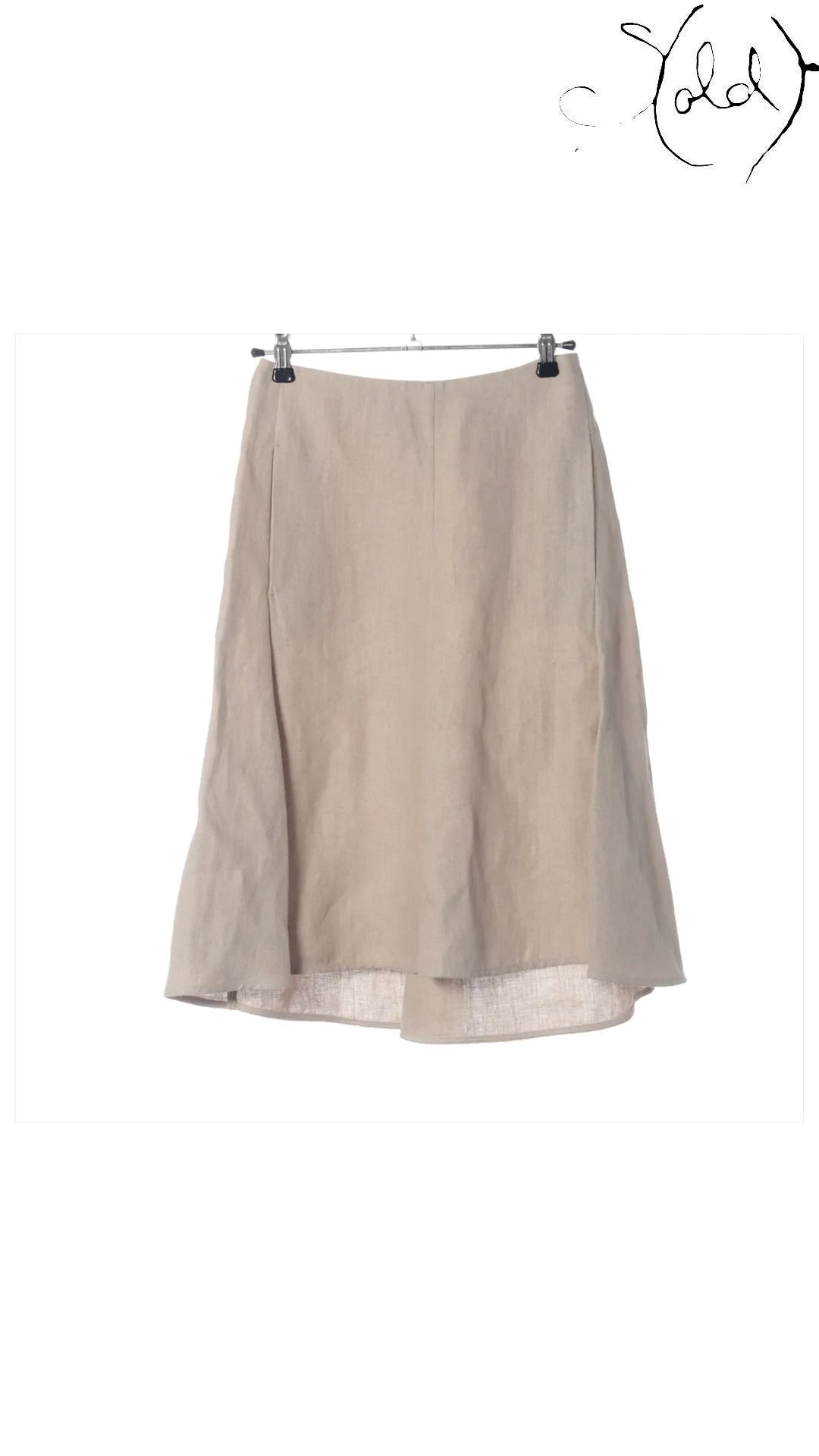
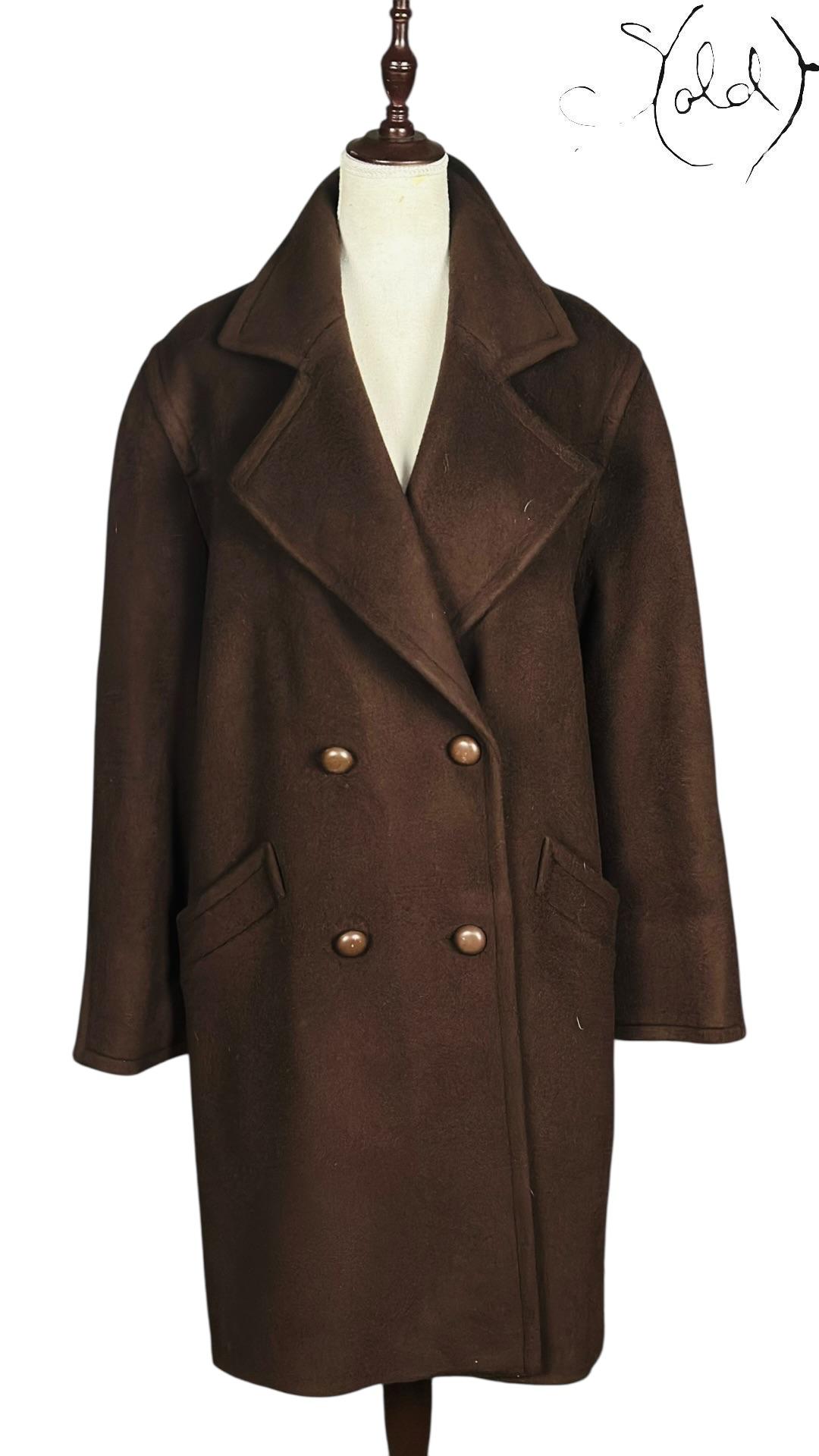
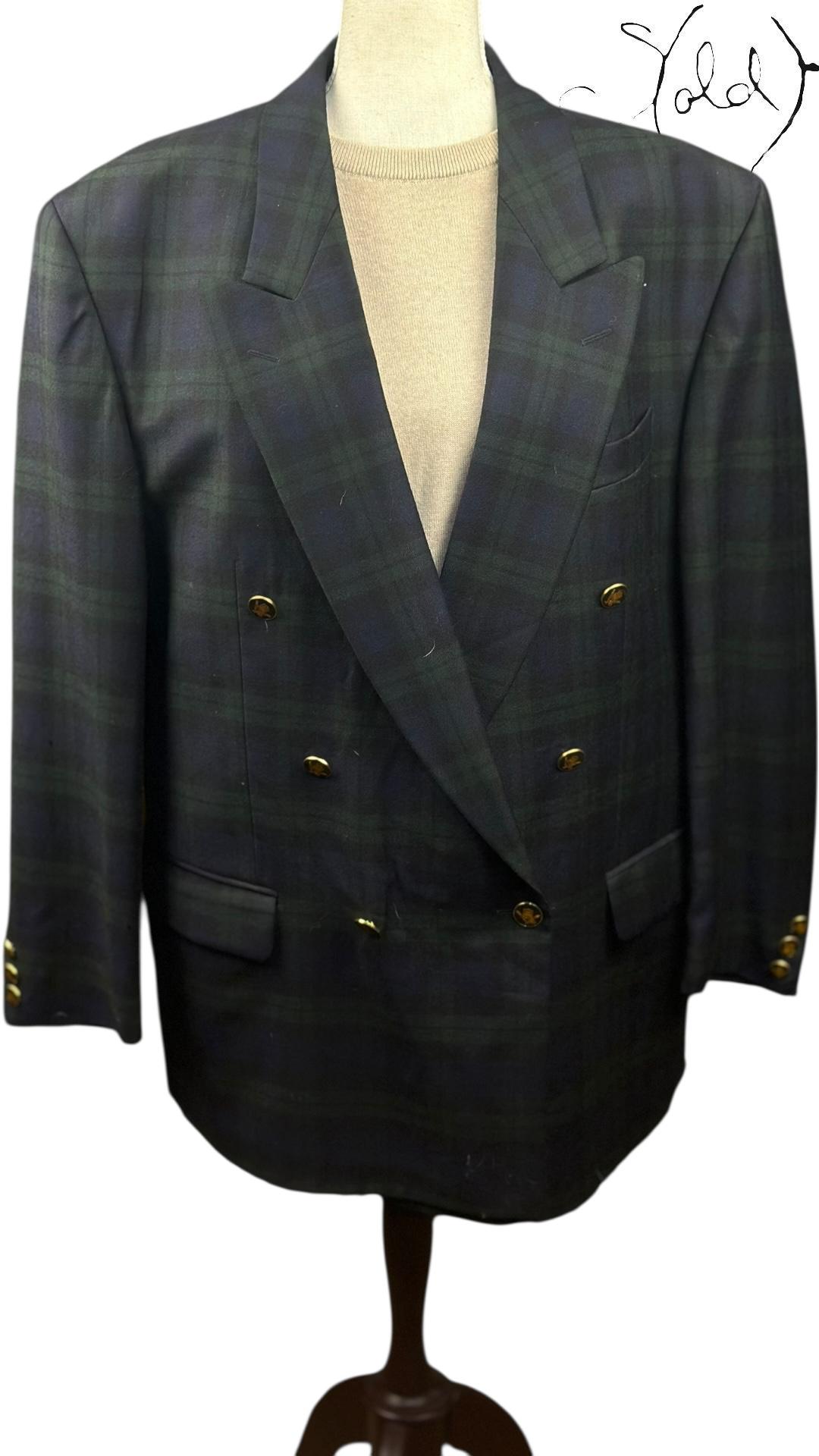
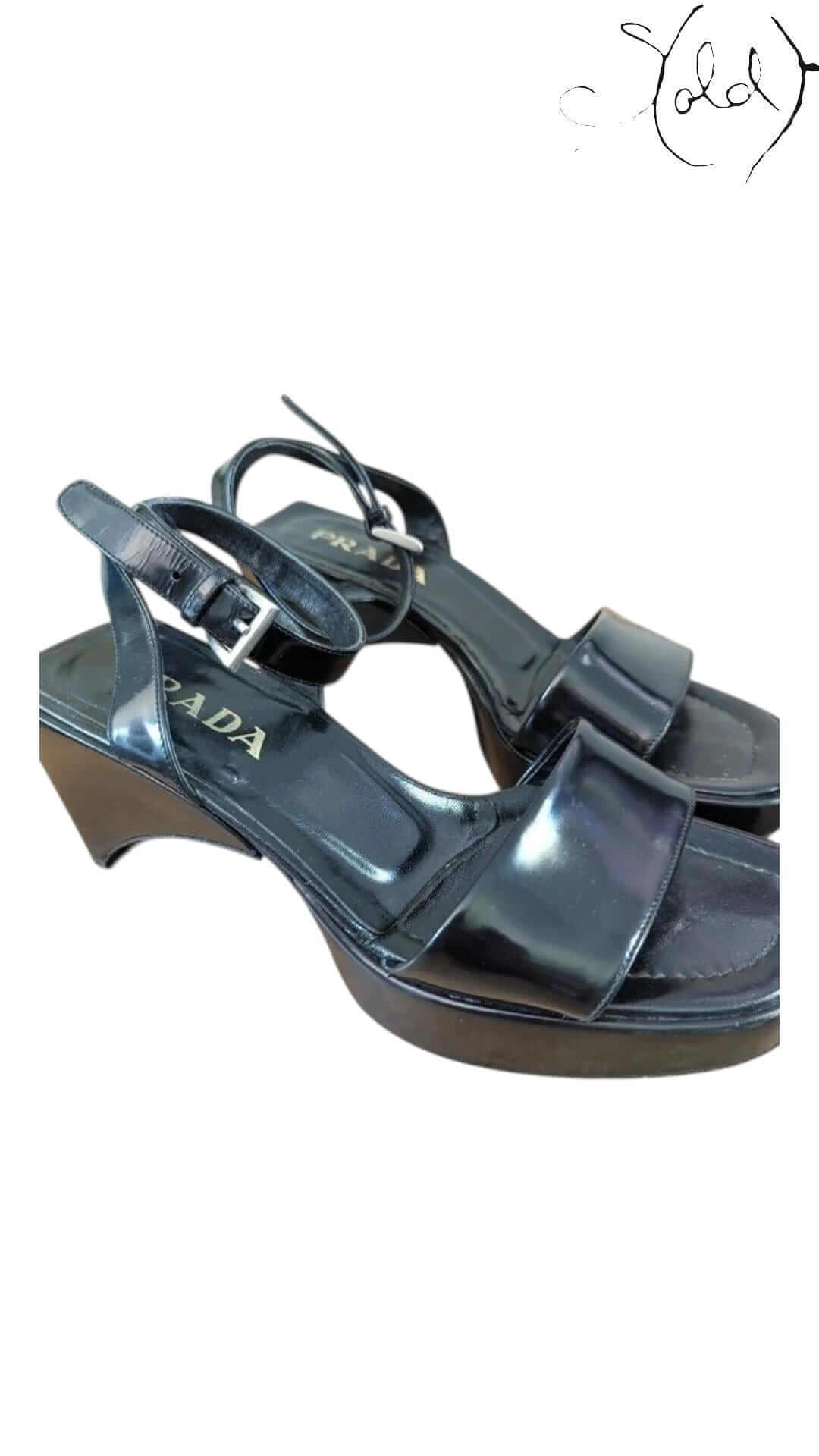
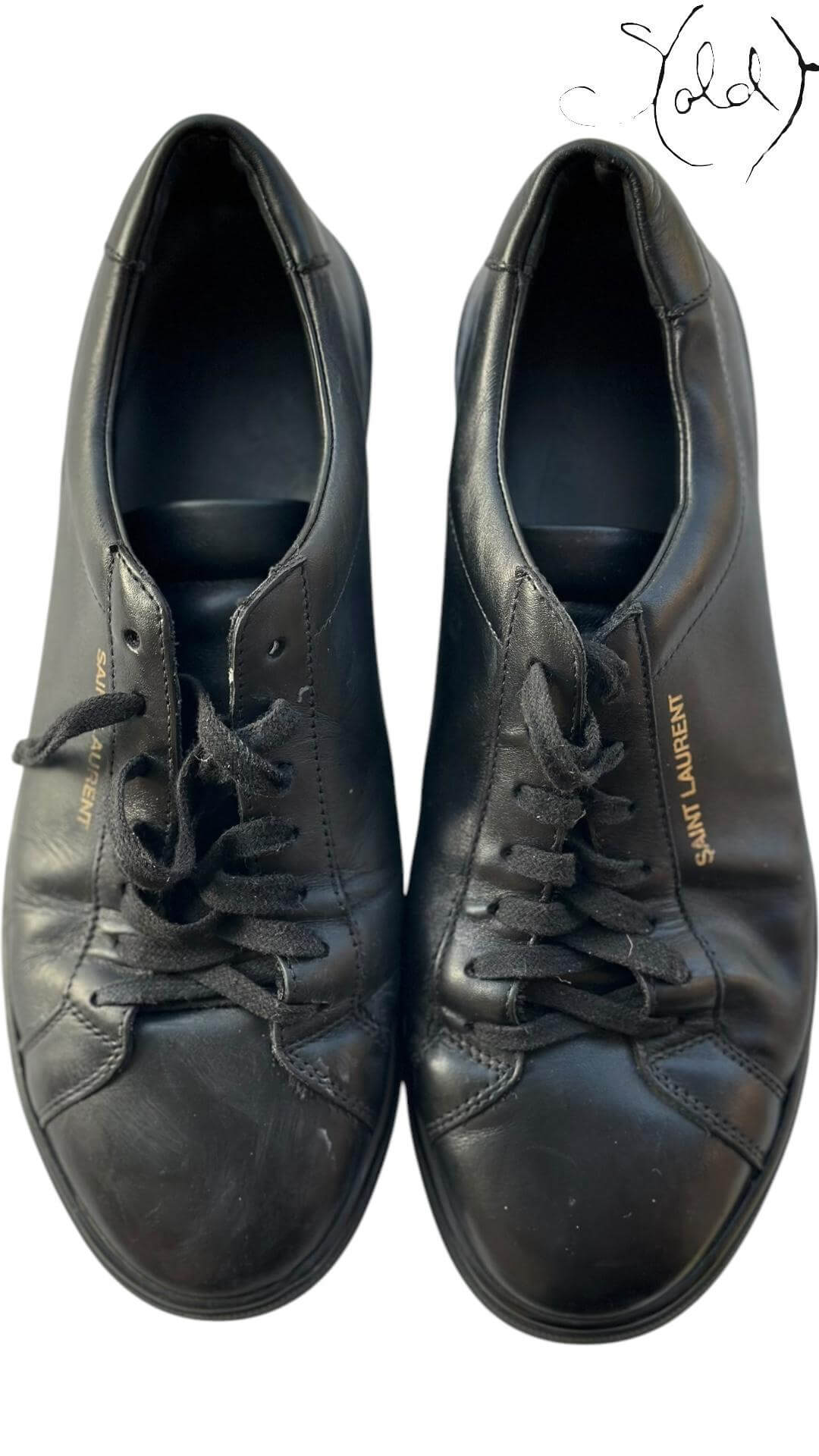
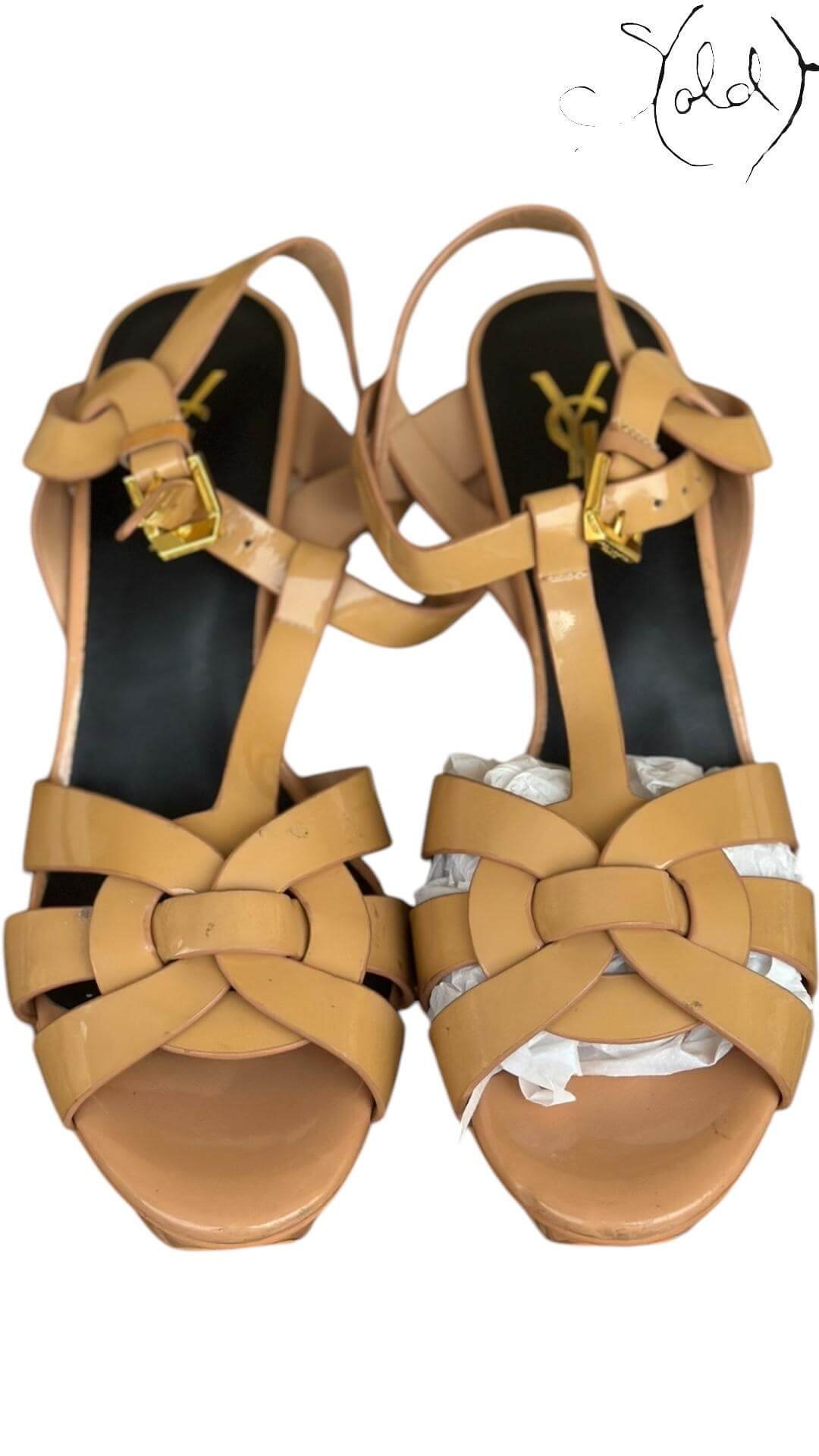
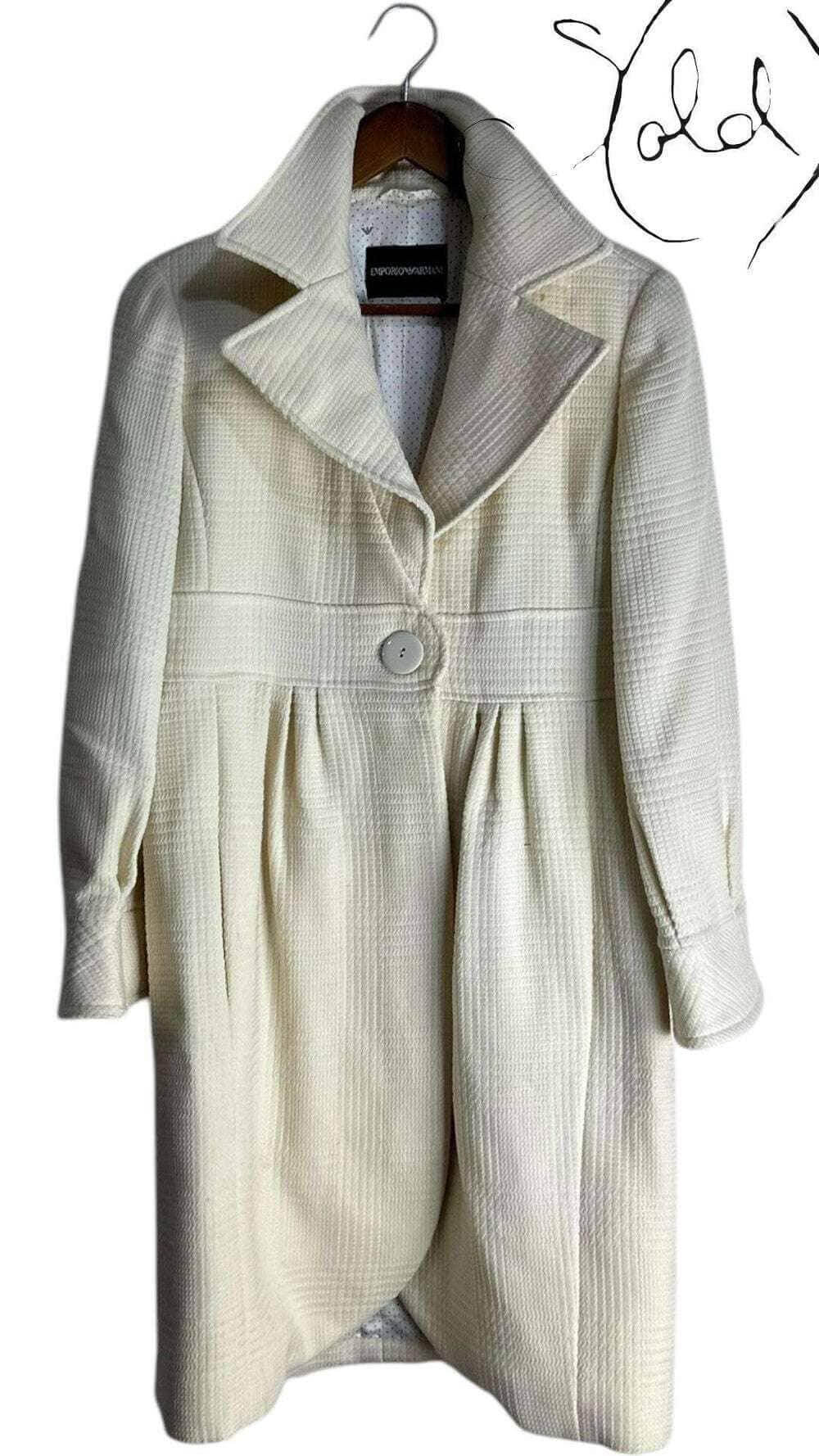
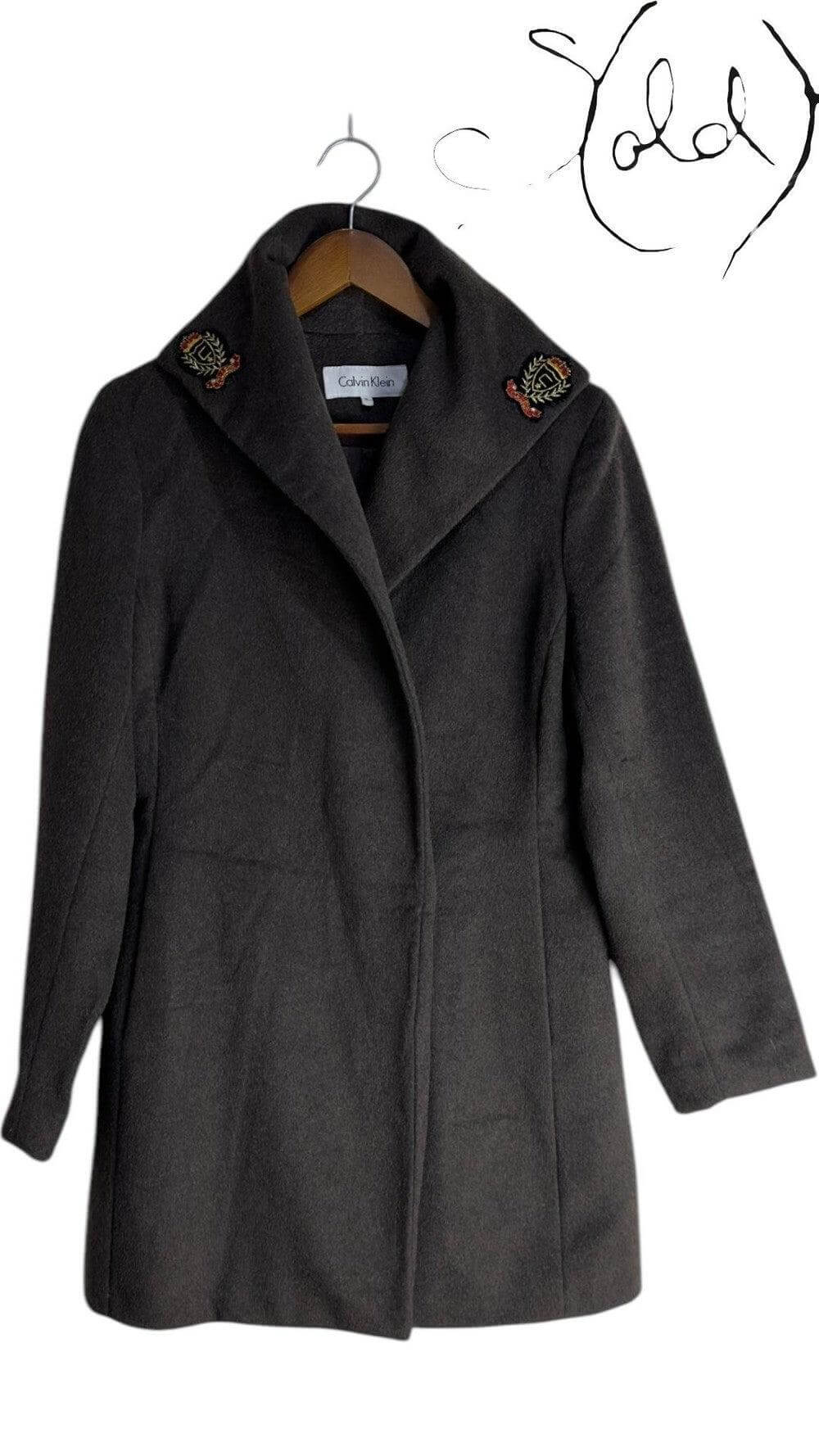
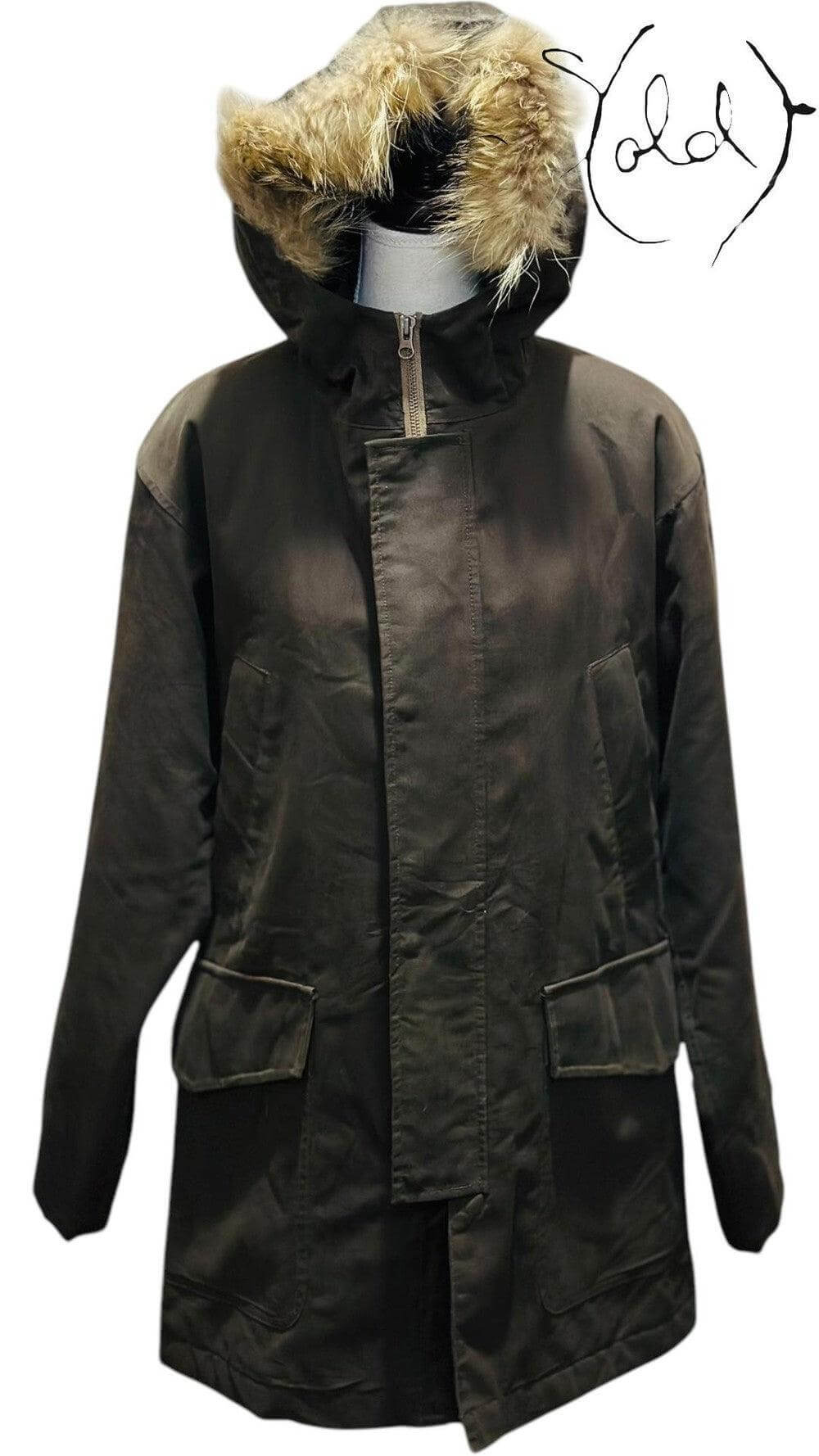
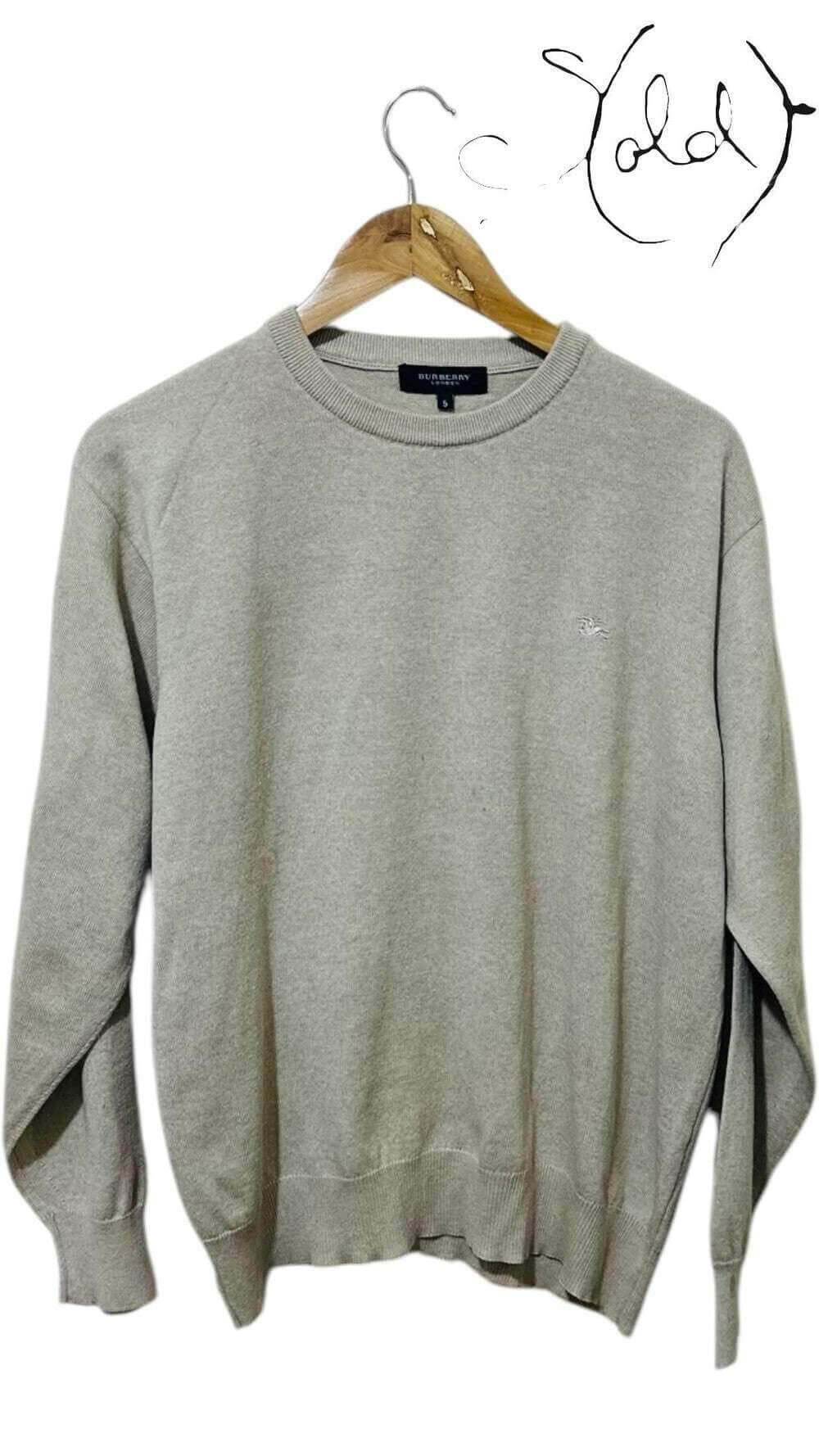
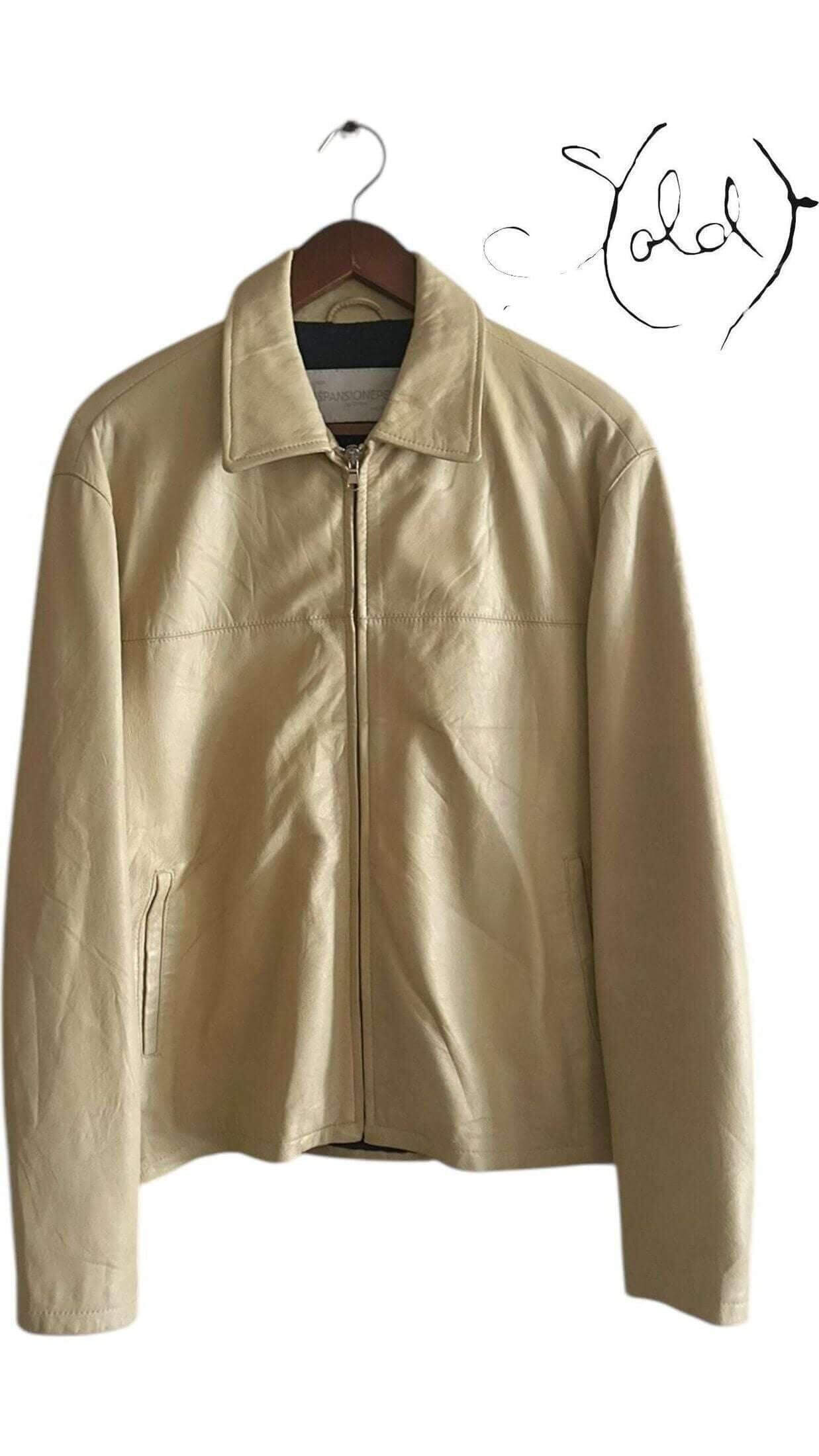
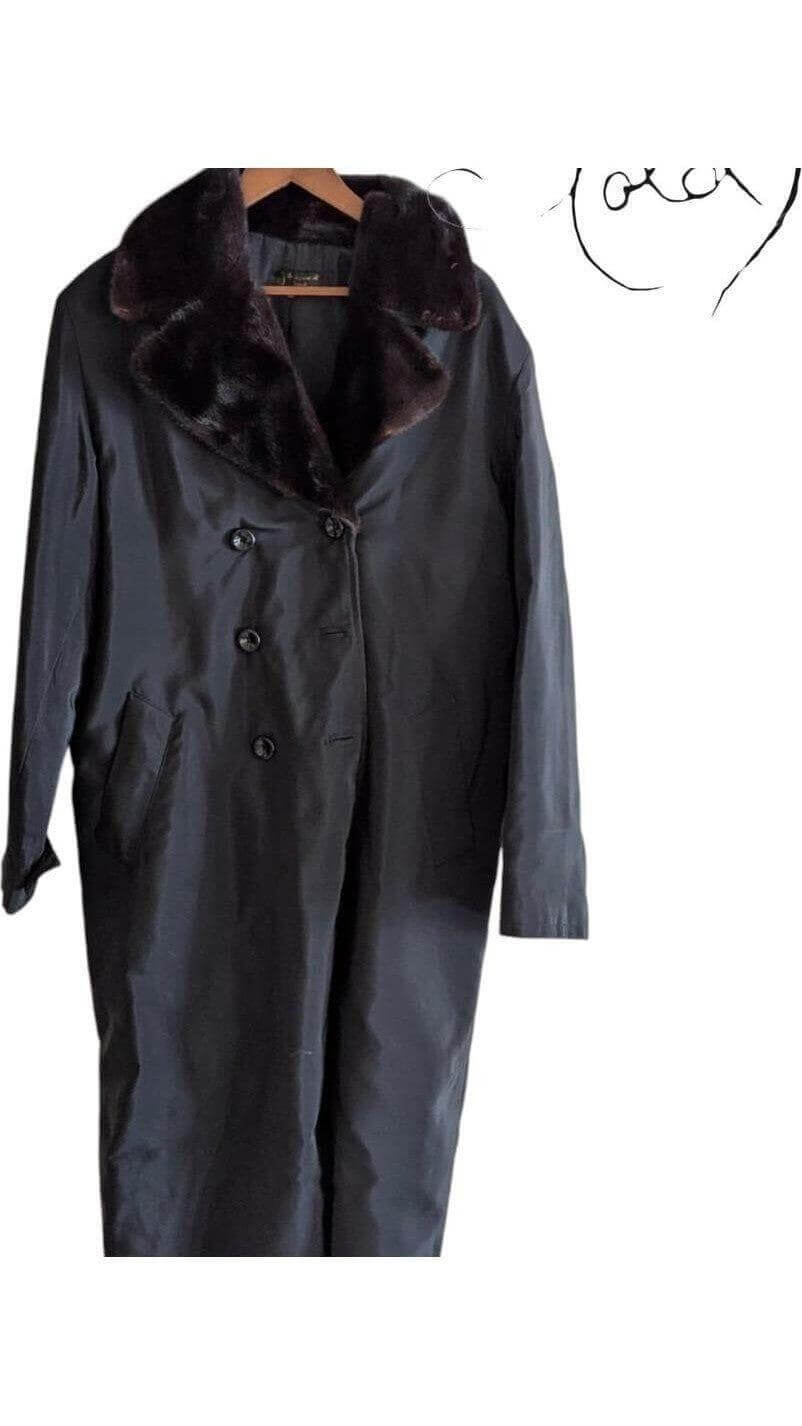
Sold archive examples: The practical version: a tailored wool coat from the 1980s or 1990s pairs with clean contemporary basics, slim trousers, simple knitwear, leather boots, without any period styling required. The coat is the statement. Everything else serves it. A vintage denim jacket with correct fade and honest wear reads better against a contemporary outfit than any new denim piece attempting to replicate that patina through distressing. And a structured vintage bag from Chanel, Louis Vuitton, or Dior anchors any outfit, dressed up or casual, with an authority that a new bag at twice the price cannot manufacture.
The styling principle is simple: let the vintage piece be specific. Do not let everything around it compete. The value of an authenticated vintage piece is that it already has a point of view. Your job is to build around it, not over it.
Frequently asked questions
Is vintage fashion always more expensive than new?
At the luxury tier, authenticated vintage is often priced at or above comparable new boutique pricing, because the piece is rarer, in some cases more desirable, and not available through normal retail channels. At the accessible tier, vintage can offer significantly better quality per Egyptian pound than new equivalents. The relevant comparison is not price alone but value per year of use and resale trajectory.
How do I know a vintage piece has been authenticated correctly?
Every piece at Sold Attire undergoes a 10-step authentication process covering hardware, stitching, date codes, material composition, and provenance documentation. We back every authentication with a lifetime guarantee: if a piece can be proven inauthentic, it is refunded in full. No debate, no conditions. The risk of buying unverified vintage elsewhere is real; the risk of buying authenticated vintage from Sold Attire is not.
Which vintage brands hold their value best?
At the top of the value-retention hierarchy: Hermès (Birkin and Kelly, particularly in Togo or Epsom leather), Chanel (classic flaps and 2.55 reissues), Rolex (sport references. Submariner, Daytona, GMT-Master), and Patek Philippe. Below those: Louis Vuitton monogram canvas from the 1980s–1990s, Bottega Veneta intrecciato from the Tomas Maier era, and Dior saddle bags from the early 2000s first run. The common factor across all of them is authentic scarcity and a collector base that sustains demand regardless of current fashion cycles.
Can I find rare vintage pieces in Egypt that I can't find elsewhere?
Through Sold Attire's access to Star Buyers Global Auction in Japan, yes. Japan's secondary luxury market is the deepest and best-preserved in the world, running 2,000–3,000 authenticated pieces per weekly cycle. Sold Attire is the only approved buyer in Egypt. Pieces available through this channel are not available through any other Egypt-based reseller. Submit a sourcing commission for specific briefs.
The Sold Attire Standard
- ✓ Every piece individually authenticated, 10-step process, lifetime guarantee
- ✓ Sourced from Japan's premier luxury market. Star Buyers Global Auction, limited Egypt access
- ✓ Condition notes are specific and honest, never generalised
- ✓ Private showroom appointments, New Cairo
- ✓ Next-day delivery Cairo & Giza, nationwide available
- ✓ 14-day hassle-free returns, no questions asked
Questions about a specific piece or looking for something you cannot find? Message us on WhatsApp, or browse the full Carry Luxe collection and Rare Gems for what is currently available.
Some things were made to be passed down. Others to be found. Vintage is both.
Ready to sell a piece you no longer wear? Send clear photos for a preliminary review, agree the floor price before listing, and get paid directly when it sells. See how to consign with Sold Attire.
Current bag route: For pre-owned luxury bags in Egypt, browse pre-owned luxury bags in Egypt, then return to this guide for the article details.

Written by yahya Karali







Leave a comment
This site is protected by hCaptcha and the hCaptcha Privacy Policy and Terms of Service apply.