
Luxury Bag Authentication Guide Egypt
Quick answer
Luxury bag authentication in Egypt starts with the full object, not one serial number. Sold Attire checks stitching, hardware, leather, lining, codes, NFC details where relevant, provenance and wear pattern before a piece reaches a Cairo buyer. The goal is simple: a bag should make sense as a real object from its claimed house, era and condition.
Short answer, for Cairo buyers: authenticating a luxury vintage bag in Egypt starts long before the piece reaches you. Ask for the serial or date code, a hardware close-up, stitch-level detail shots, and a written authentication report. At Sold Attire, every piece passes a 10-step authentication covering hardware weight, stitch count, interior markings, provenance trace, and senior in-house review, then ships with a certificate. If a piece is ever proven inauthentic, we refund in full, with no time limit.
By Yahya - Founder & Lead Authenticator, Sold Attire · Updated July 2026
Authenticating a vintage luxury bag in Egypt is not one test. It is a framework: a set of universal checks that apply across every maison, followed by house-specific cues that only matter once you know which maison you are buying. Skip the framework and the house-specific detail is noise. Follow the framework and you will know, before you see the bag in person, whether it is worth the trip to the showroom.
This guide is the entry point. It covers the universal framework, the red flags that apply to every maison, how our in-house authentication works, and which specialist guide to read once you have narrowed down the house. Think of it as the map. The maison guides are the streets.
What does "authenticated" actually mean at a pre-owned boutique in Egypt?
"Authenticated" is a word that gets used loosely in the Cairo market. At Sold Attire it has a specific definition: the piece has passed our 10-step verification, it ships with a written authentication report, and it is covered by a lifetime money-back guarantee. That is the standard. Anything less is marketing.
The reason the word matters is that pre-owned luxury is not a regulated category in Egypt. There is no government body that certifies authenticity, no customs check that flags a counterfeit Birkin on the way into the country, and no resale platform that will refund an Egyptian buyer without proof the piece was misrepresented. The burden of authentication sits entirely with the seller you choose. Choose well, and you get the same assurance a buyer in Paris or Tokyo would expect. Choose badly, and the only person who can authenticate the bag after the sale is someone who no longer works for you.
A real authentication process covers five layers: physical inspection, hardware verification, stitch and leather analysis, interior markings and codes, and provenance paperwork. Every layer has to clear. A piece that passes four and fails one is not authenticated , it is a piece we decline. Our full process is documented here, including the lifetime refund commitment that backs it.
Why does vintage need different checks than contemporary pre-owned?
A contemporary Chanel Classic Flap purchased in 2023 is straightforward to verify: the serial code is in an active database range, the hardware pattern is current, the microchip (post-2021) can be scanned. The authenticity question is essentially "does this match what Chanel is making right now?"
Vintage is harder because the reference point is moving. A 1985 Louis Vuitton Speedy does not have a date code in the format a 2005 Speedy uses, the vachetta leather has a patina no new bag will have, and the stitching count per inch is slightly different from today's production. If you authenticate a 1985 Speedy against 2026 standards, you will fail it by accident. If you authenticate a 2026 piece against 1985 standards, you will pass a counterfeit by accident.
The framework that works is era-first. Identify the production window , decade at minimum, year if possible , then match the bag against what that maison was making in that window. Hermès used different blind-stamp shapes in different eras. Chanel changed its serial-sticker format three times between 1984 and 2021. Gucci's monogram canvas has a measurable difference between the Tom Ford era and the Alessandro Michele era. A good authenticator knows all of these. A bad one authenticates every bag against the current catalogue and calls it done.
For a deeper read on why vintage trades differently from pre-owned and why that difference shows up in price, we wrote a separate essay: Beyond the Tag.
What are the universal red flags across every maison?
Every maison carries its own signature details, but the mistakes that expose a counterfeit repeat across all of them. A replica Birkin and a replica Speedy usually fail for the same underlying reasons: a price that sits far below the real resale market, hardware that feels too light in the hand, stitching that is too even to be hand-done, a serial or date code that does not match the era the seller claims, and a seller who cannot produce paperwork. Learning these five patterns once means you can screen a luxury bag from any house before you ever reach a house-specific tell. The five checks below are what we run first, on every piece, regardless of maison.
House-specific markers vary. The red flags do not. These apply whether you are looking at a Birkin, a Bamboo, a Peekaboo, a Saddle, or a Speedy.
Price that undercuts the global floor. Every maison has a realistic pre-owned price range that holds across markets. A medium Chanel Classic Flap does not sell for EGP 60,000 anywhere in the world. A Birkin 25 does not change hands for EGP 90,000. When the asking price is 40 percent or more below the international benchmark, the piece is almost always a replica , or stolen, which carries its own problems. Cross-check against The RealReal, Vestiaire Collective, and Fashionphile before you commit to anything.
Hardware that feels wrong in the hand. Authentic luxury hardware is dense, cold, and heavier than you expect. Counterfeit hardware is almost always hollow or plated over a lighter base metal. If a seller will not let you weigh the bag or photograph the hardware from multiple angles, the reason is usually that they know what you will find.
Stitching that looks machine-uniform. The top maisons , Hermès especially, but also high-end Chanel, Bottega Veneta, and Dior , use saddle stitching that is subtly irregular because it is hand-done. A counterfeit tries to match the look with a sewing machine and the result is too even. Zoom in on a stitch line at high resolution. If every stitch is identical, that is a problem, not a sign of quality.
Serial or date codes in the wrong format for the claimed year. This is the fastest check. If a seller claims a 1978 Louis Vuitton Speedy and the bag has a six-character date code, the piece is misdated , LV did not start using date codes until the early 1980s. If a Chanel interior sticker shows an eight-digit serial and the seller claims 1995, the piece is misdated , eight-digit serials began in 2005. These are not subtle disagreements. They are immediate disqualifications.
No provenance, no paperwork, no return window. Real sellers provide a paper trail. Sold Attire's certificate documents era, condition grade, and sourcing origin for every piece. A seller who cannot or will not provide equivalent documentation is asking you to trust a verbal claim in a category where verbal claims have no legal weight in Egypt.
How does Sold Attire's 10-step authentication process work?
Every bag that enters our inventory runs the same 10 steps before it is listed. The first five are structural. The second five are finish-level. A piece has to clear all ten to be catalogued. Pieces that clear nine are returned to the sourcing partner. We do not list "mostly authentic" inventory.
The structural layer covers serial and date code cross-reference against era-appropriate ranges, hardware weight and finish verification, stitch count per inch measured against the maison's factory standard for that period, interior lining pattern and colour against the reference archive, and leather grain pattern analysed under controlled lighting.
The finish layer covers hardware engraving depth and font match, zipper pull and slider manufacturer mark, edge paint consistency and wear pattern, logo placement precision (to the millimetre), and provenance trace , who sourced the piece, through what auction or consignor, with what paperwork.
Most of our sourcing runs through the Japanese secondary market, which operates under the strictest global standards for pre-owned luxury. We are Egypt's only approved buyer at Star Buyers Auction , a status that takes years to earn and requires passing Japanese condition and authentication standards on every purchase. The practical benefit for you is that a Sold Attire piece has already cleared a professional authentication layer before our own 10-step process even begins. Read the full 10-step process.
Which house-specific guide should I read next?
Once the framework is clear, the house-specific detail is what separates a careful buyer from an expert one. Each maison has its own tells , the markers a counterfeiter almost never gets exactly right. We have a dedicated guide for every house we stock. Use this list to jump to the one you need.
Chanel. The serial-sticker format evolves every few years. Quilting alignment at seams is the fastest visual tell. Hardware has changed from gold-plated to light gold to ruthenium across different eras, and every era has a correct signature. Start with the Chanel authentication guide, then cross-reference against the Chanel type and size guide to confirm the model.
Hermès. The blind stamp does two jobs , it identifies the production year and the artisan. Saddle stitching is hand-done, and that shows under magnification. Birkins and Kellys have specific hardware weights by size. The Hermès guide walks through the blind stamp system and the leather and hardware combinations by era.
Louis Vuitton. Date codes, factory atlas, canvas alignment, and vachetta patina. Pre-1980s pieces do not have date codes, which is itself a dating tool. The LV forensic archive covers every date code format from 1980 to 2026.
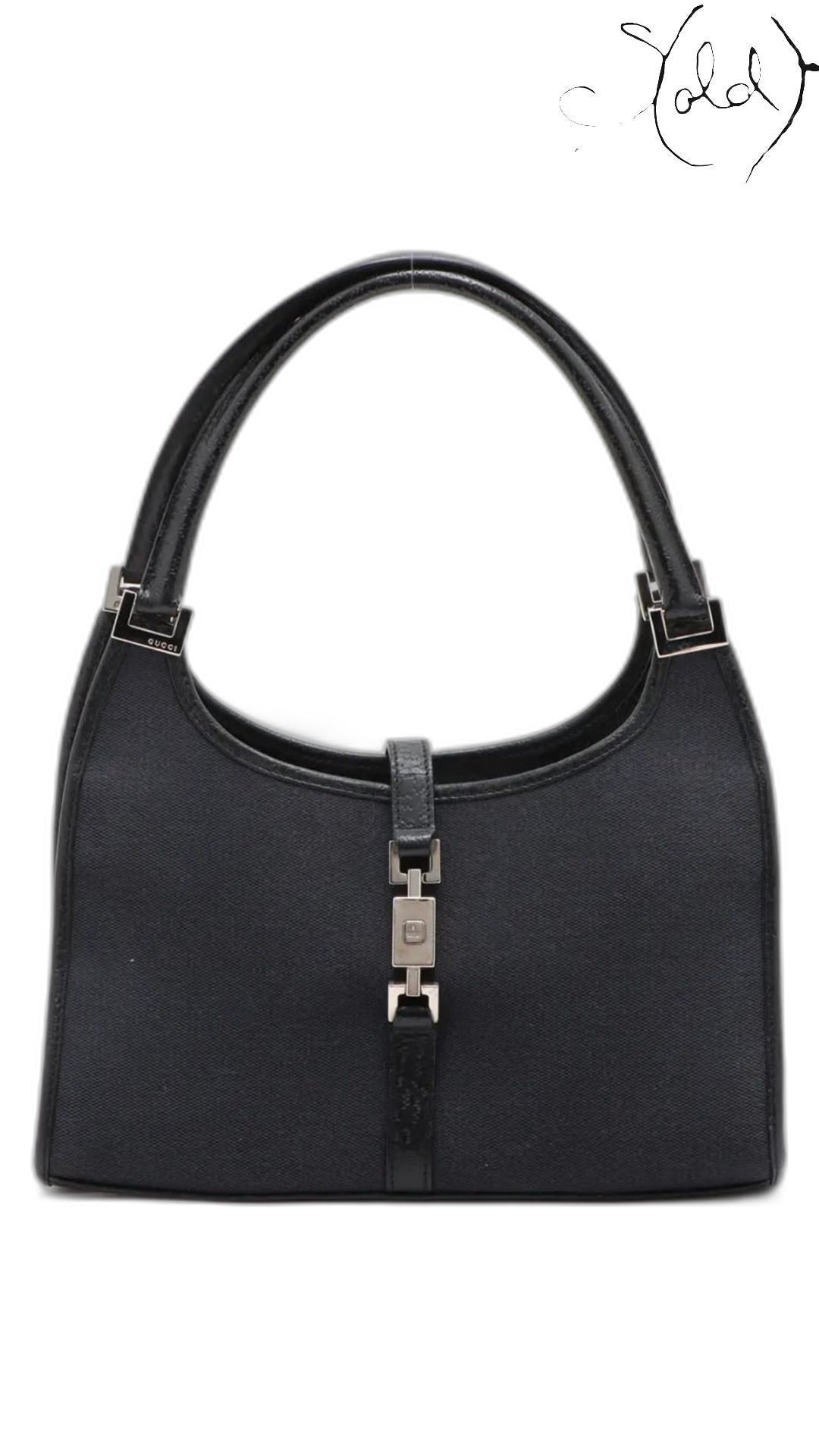
Gucci. The Tom Ford era, the Frida Giannini era, and the Alessandro Michele era each produced different canvas weaves, different hardware finishes, and different interior tags. A Jackie from 1970 looks different from a Jackie 1961 Reissue for reasons that are not subtle. The Gucci guide focuses on the Jackie and Bamboo models.
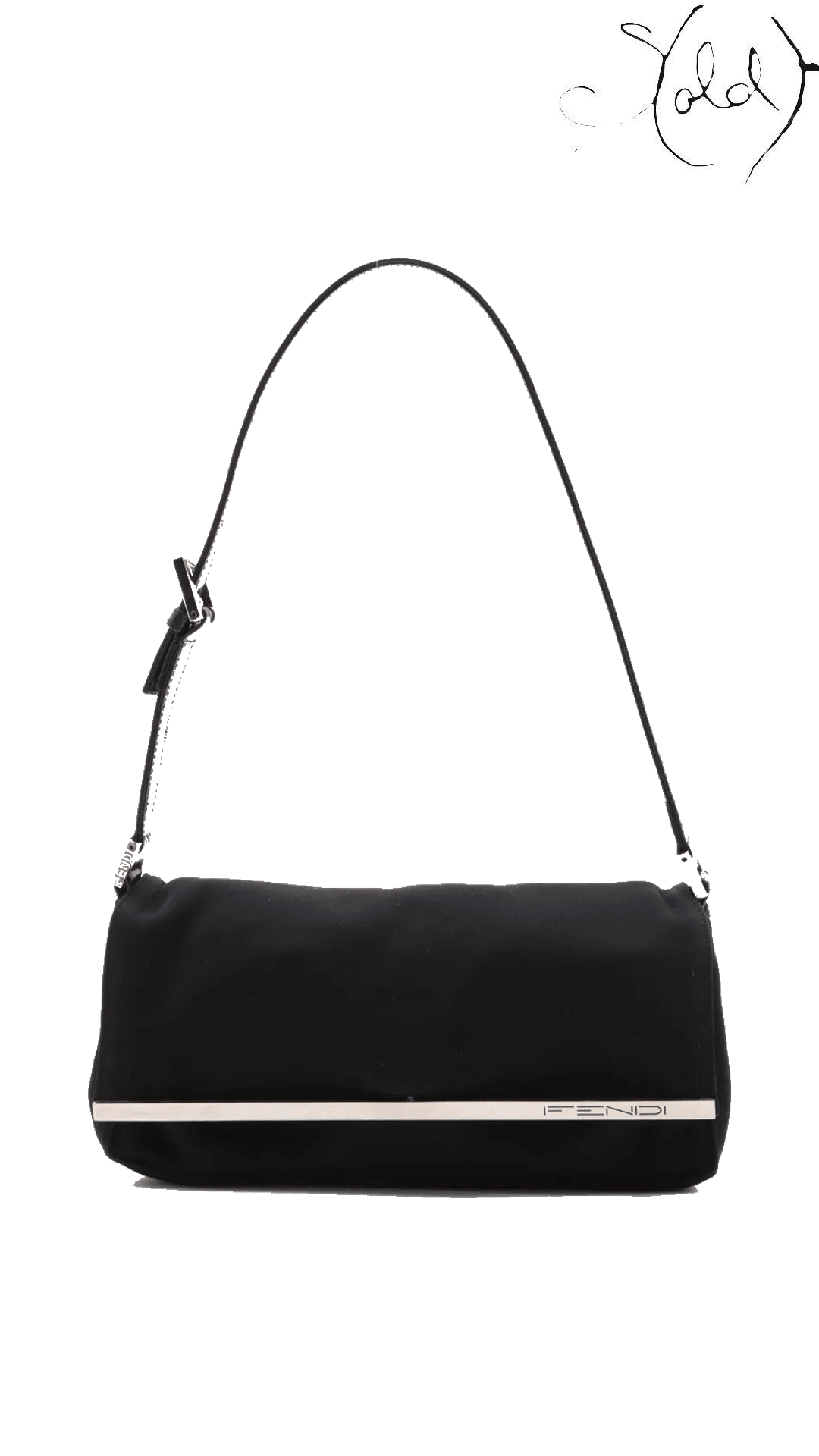
Fendi. Zucca canvas, Selleria leather, and Peekaboo hardware are the three main authentication axes. Baguette bags from the late 1990s have specific metalwork that later reissues do not replicate. The Fendi guide covers Baguette and Peekaboo.
Bottega Veneta. Intrecciato weave tension, Maier-era versus Lee-era leather choices, and the specific padding structure on Jodie and Cassette models. The Bottega guide walks through every model from the archive pouches through the Daniel Lee reinvention.
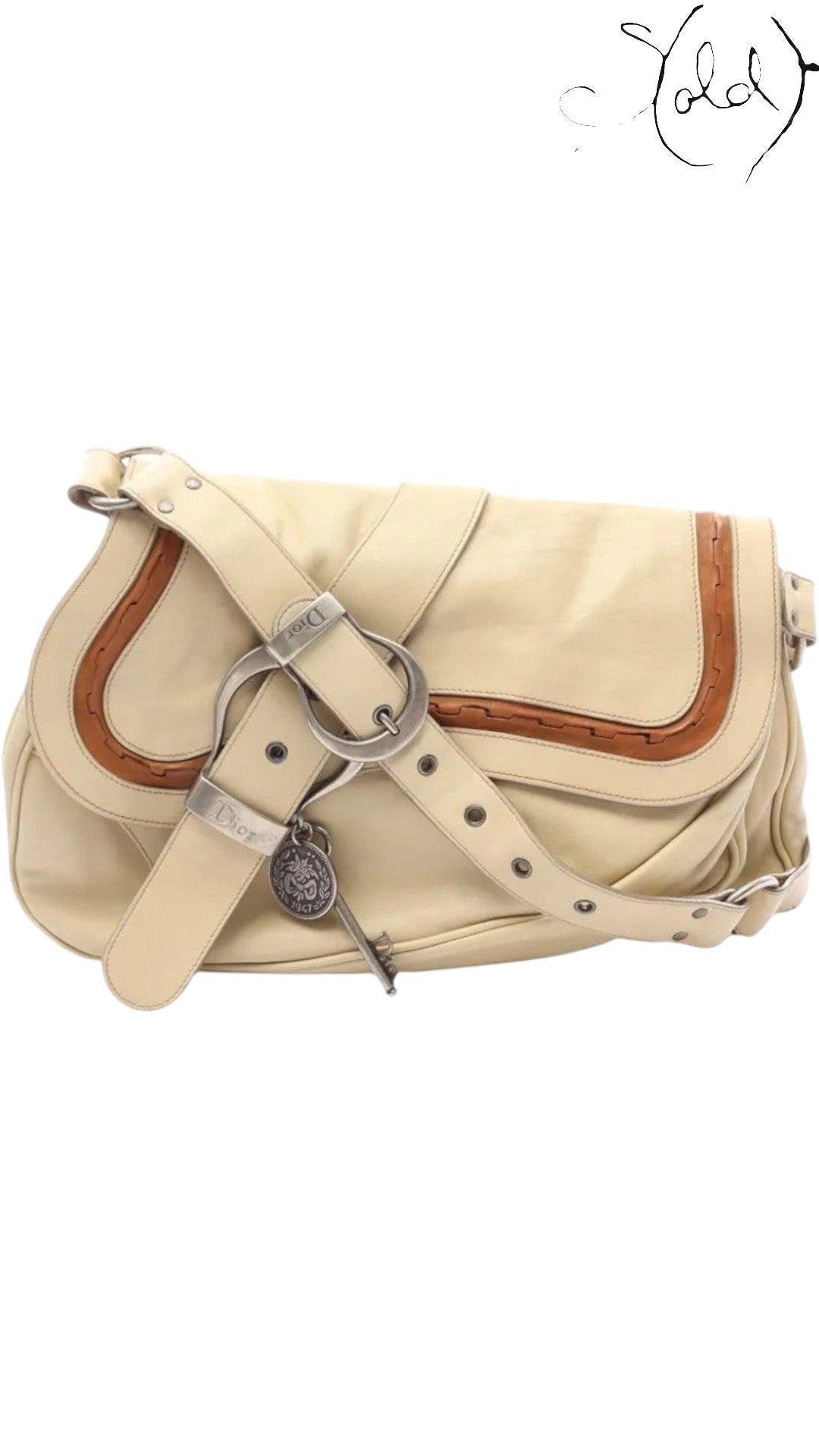
Dior. Saddle, Lady Dior, and Book Tote have separate authentication profiles. Cannage quilting precision on the Lady Dior is the headline tell. The Dior guide covers all three model families.
For buyers who prefer to browse by maison, every house has a dedicated authenticated collection: Chanel, Hermès, Louis Vuitton, Gucci, Fendi, Bottega Veneta, and Dior. Each collection carries only pieces that have cleared our 10-step process.
What protection do I get if a piece is later proven inauthentic?
The short version: a full refund, with no time limit, if a Sold Attire piece is ever proven inauthentic by a reputable third-party authenticator. There is no restocking fee, no requirement to return the original packaging, and no cap on how long after purchase you can invoke it, whether that is a month, a year, or five years later. This guarantee sits on top of the 10-step process described above, not instead of it: the process exists to make a mis-authentication rare, and the guarantee exists for the cases where rare still happens. It is the same standard a buyer in Paris, London or Tokyo expects, applied to a Cairo transaction.
A full refund, with no time limit. That is the shortest answer, and it is also the complete answer.
Every piece ships with a written authentication report and a condition grade. Every piece is covered by our lifetime money-back guarantee. If, at any point , a month after purchase, a year, five years , you take a Sold Attire piece to any reputable third-party authenticator and they declare it inauthentic, we refund the full purchase price. We do not charge a restocking fee, we do not require the original packaging, and we do not cap the refund window. This is the protection you have a right to when you spend EGP 200,000 on a Chanel or EGP 400,000 on a Birkin, and it is the standard we hold every piece to.
The reason we can offer that commitment is that the 10-step process, combined with Japanese-market sourcing, makes a mis-authentication genuinely rare. We would rather decline a piece than list it and refund it later. But the guarantee exists because "genuinely rare" is not "never," and a buyer paying luxury prices deserves the same protection a buyer in Paris, London, or Tokyo takes for granted.
You can read the full terms on our authenticity guarantee page. Or, if you want to start with a piece that has already cleared every layer of our process, browse the current authenticated collection. If a specific maison is on your list, the guides above will take you to the right detail , and every piece we stock has already passed the framework you just read.
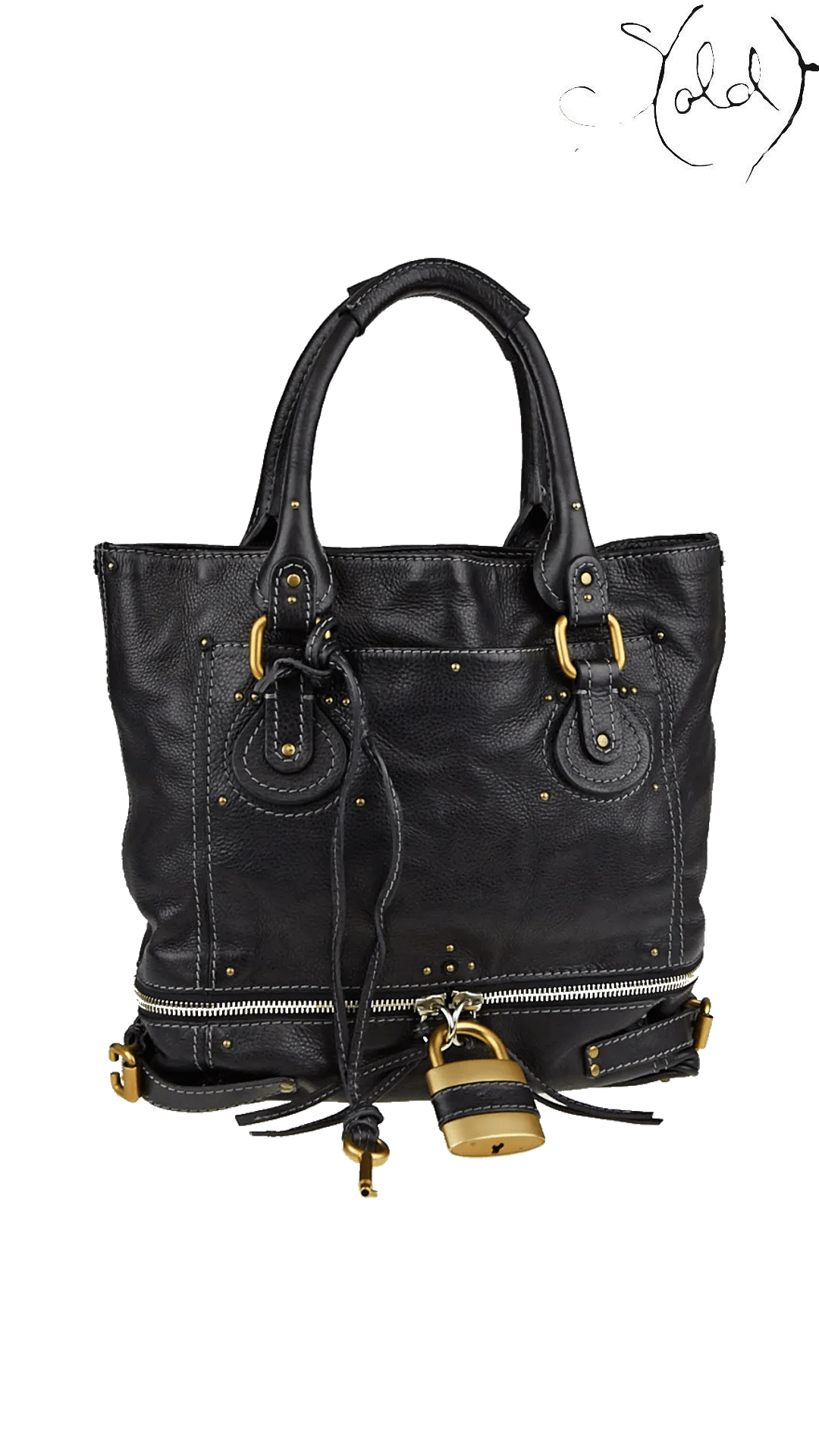
Chanel 1994 Caviar Tote. Black leather, gold-plated hardware. This is the kind of piece that explains why authentication cannot rely on a single marker. The caviar grain, plated hardware weight, date-era logic and stitching all have to agree with each other before the serial detail means anything.
Own a piece from one of these houses that you no longer wear? Sold Attire accepts consignment across every maison we authenticate: send ten photos over WhatsApp, get an evaluation within 24 hours, agree a floor price before it is listed, and get paid directly when it sells, no drop-off required. See how consignment works.
Frequently asked questions about luxury bag authentication in Egypt
What does "authenticated" actually mean at a pre-owned boutique in Egypt?
At Sold Attire it means the piece has passed a 10-step verification process, ships with a written authentication report, and is covered by a lifetime money-back guarantee. Pre-owned luxury is not a regulated category in Egypt, so the standard a seller applies to that word is the only protection a buyer has.
Why does vintage need different authentication checks than contemporary pre-owned?
Vintage authentication has to match a bag against what a maison was making in its actual production era rather than against current standards. A 1985 Louis Vuitton Speedy uses a different date-code format, hardware pattern and stitch count than a 2005 or 2023 piece, so checking it against today's catalogue will fail a genuine bag, and checking a new piece against 1980s standards will pass a counterfeit.
What are the universal red flags across every maison?
A price 40 percent or more below the international resale benchmark, hardware that feels hollow or too light, stitching that is too machine-even to be hand-done, a serial or date code in the wrong format for the claimed year, and no provenance paperwork or return window. These apply whether the bag is a Birkin, a Chanel Flap, a Speedy or a Peekaboo.
How does Sold Attire authenticate a luxury bag?
Every piece runs through a 10-step process: five structural checks covering serial and date code, hardware weight and finish, stitch count, interior lining and leather grain, then five finish-level checks covering engraving depth, hardware manufacturer marks, edge paint, logo placement and provenance trace. A piece has to clear all ten to be listed. Nine out of ten is a decline, not a discount.
What protection do I get if a piece is later proven inauthentic?
A full refund with no time limit, no restocking fee and no requirement to return original packaging. If any reputable third-party authenticator proves a Sold Attire piece inauthentic, whether a month or five years after purchase, the full purchase price is refunded.
Which house-specific guide should I read next?
Once the universal framework is clear, dedicated guides cover the house-specific tells for Chanel, Hermès, Louis Vuitton, Gucci, Fendi, Bottega Veneta and Dior, each linked from this guide, so you can move from the general framework to the specific markers for the maison you are buying.
Need help with a specific piece? Message Sold Attire on WhatsApp.
Available Chanel pieces now
For readers checking details in person, the current Chanel edit gives you live pieces to compare against the same hardware, leather, stitching and condition standards discussed here. Current pieces include Chanel Paris-Biarritz PM Black Pony Hair × Patent Leather Quilted Tote, Chanel Classique Single Full Flap Chocolate Lambskin 1-Series, and Chanel Blue Caviar CC Flap Wallet, with the wider maison edit kept at the Chanel collection.
Current bag route: For authenticated luxury bags in Egypt, browse authenticated luxury bags in Egypt, then return to this guide for authentication, condition and provenance details.







Leave a comment
This site is protected by hCaptcha and the hCaptcha Privacy Policy and Terms of Service apply.